
Dehydrated Hummus with Cilantro and Lime
Are you looking for the best dehydrated hummus for backpacking and hiking? This cilantro-lime hummus recipe is a game-changer for your trail lunch! It takes a classic hummus recipe and elevates it with epic flavors.
Instant hummus is rehydrated on the trail without any fuss. All you need is water and a splash of olive oil! It is easy to make, super flavorful, creamy, tangy, and simply perfect for your trailside and mountaintop snacking needs.
Backpacking food needs to be lightweight and shelf-stable so packing fresh store-bought hummus is not an option.
This recipe solves this puzzle and provides a healthy option for a hiking lunch. Dehydrated foods are an excellent choice for long days on the trail!

I have a love affair with hummus that began when I worked at a Lebanese restaurant in college with the creamiest and most delectable hummus I had ever tasted.
I have been trying to make hummus that delicious ever since. So, I have gotten pretty good at it!
While my modest homemade hummus made in my kitchen in Vermont may not compete with the authentic Lebanese version, I can assure you it is top-notch and is epically yummy.
I have been making it for a very long time. I hope you give it a try on your next hike or camping trip!
Dehydrated Hummus for Backpacking
Instant hummus is ideal for backpacking, hiking, and camping. The lightweight powder is easy to carry and it can be rehydrated inside a Ziplock bag to make hummus or used in various recipes.
Dehydrated hummus, instant hummus, or powdered hummus, offers extended shelf life, portability, and versatility. Plus, you do not sacrifice flavor!
This might be surprising but I can assure you it is true, especially if you try my delicious hummus variation using cilantro and lime. I think it is out of this world tasty and makes any meal more exciting.

How to Make Dehydrated Hummus
Creating a tasty and nutritious dried hummus mix is not difficult and it will taste SO much better than what you buy at the store! So, let’s get to it!
EQUIPMENT
- Food Dehydrator – You will need a dehydrator with an adjustable temperature setting on it. I use the Brod and Taylor dehydrator but I have also used a Nesco Snackmaster, and both work well.
- Silpat baking mats or dehydrator mats that fit YOUR piece of equipment are needed to spread the hummus into a thin layer for drying. The thinner you spread the hummus, the faster it will dry out!
- Food Processor – Any food processor large enough to hold the volume of the ingredients will work well. I have always used Cuisinart so that is my recommended brand. You will also need a silicone spatula to help scoop and scrape the hummus out of the food processor.
- Silica Gel Packets – Silica packets placed inside your airtight container with the dried hummus will capture any residual moisture in turn helping the product last longer. These are a good idea to use for any packaged dehydrated food you make.
- Airtight zip-tip bags – Two brands I recommend for reusable bags that zip are Stasher and ReZip. If you really need to save on weight a disposable ziplock bag is fine to use. On a big backpacking trip I never have enough Stasher or ReZip bags for all my meals so I do use Ziplock bags guilt-free because I wash them and reuse them as long as I can.
HUMMUS INGREDIENTS
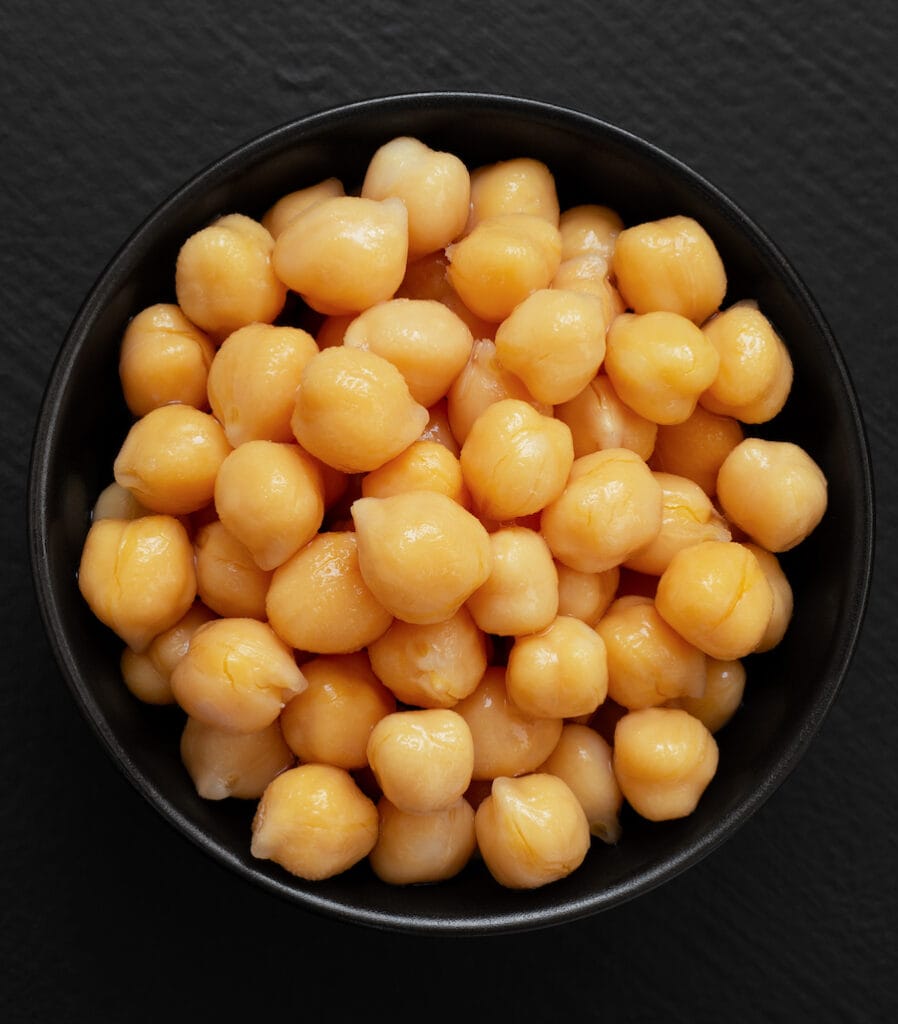
CHICKPEAS: I used canned chickpeas for this recipe. I like to make it as easy as possible so the convenience of canned suits my needs. However, you may absolutely soak and cook chickpeas for this recipe as well! For the large batch of hummus in this recipe, I use two 25 oz cans of Westbrae Natural Organic Chickpeas.
AQUAFABA: This is the liquid inside a can of chickpeas. When whipped into the hummus, it adds a creamy and airy texture. Aquafaba creates a lighter and fluffier consistency, making the hummus even more delicious!
TAHINI: Tahini, or sesame paste, is a key ingredient in hummus and plays a crucial role in its rich flavor and creamy texture. It is a paste made from ground sesame seeds and has a delicious, nutty flavor. I really enjoy using Soom Roasted Tahini in my hummus recipes.
FRESH GARLIC: The amount of fresh garlic used in hummus is definitely a personal preference and I LOVE garlic so I enjoy at least two cloves in this recipe. You can even omit it if you don’t like garlic. Garlic has been used in Middle Eastern cuisine for centuries, and hummus is no exception. Traditional hummus recipes often include garlic as a staple ingredient!
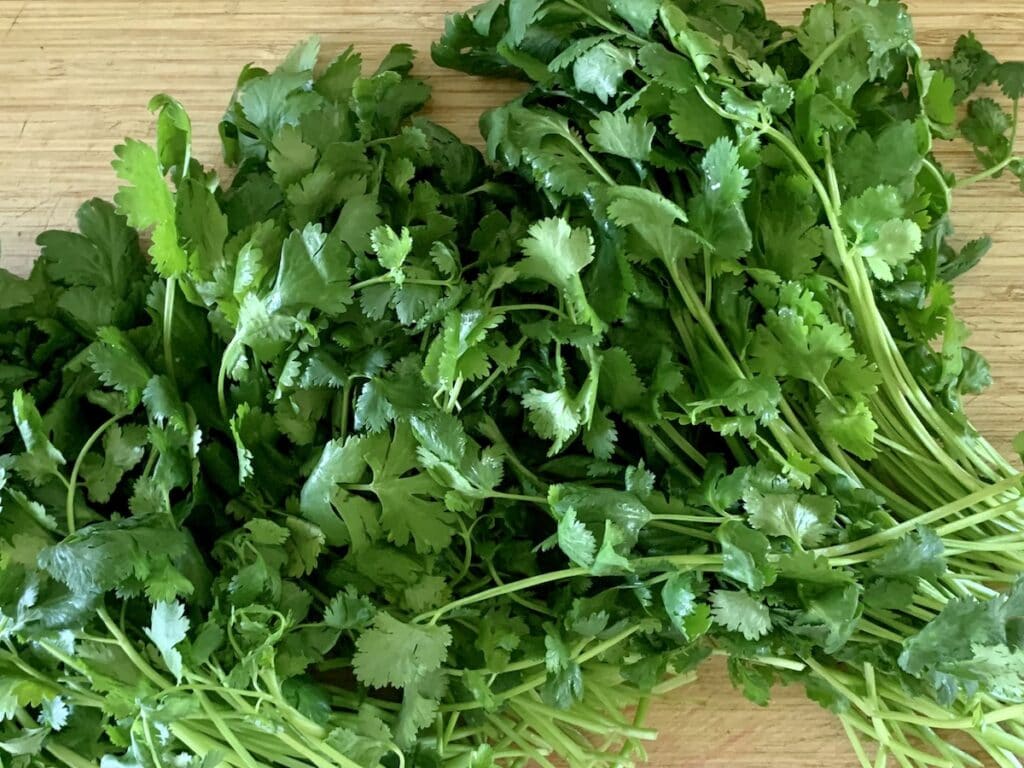
CILANTRO: Use fresh cilantro for this recipe. If you can’t find fresh, the dried version will do, but it won’t have quite the same flavor since you will be drying the end result – so it’s best to start with a more pungent bright version.
LIME: Traditionally hummus has lemon as the acid in it. However, I particularly love lime plus it goes very well with cilantro so that is what this recipe calls for. Use lemon juice if you wish! Citrus adds a tangy and bright contrast to the earthy flavors of the chickpeas and tahini. Lime, in particular, adds a refreshing and zesty element.
HOT SAUCE: Using a Louisiana-style hot sauce in my hummus recipes is a habit that I think adds an exciting elevated taste without overpowering the end result. I enjoy Texas Pete or Frank’s Red Hot for my hummus. It won’t make your hummus spicy but simply adds more flavor.
HUMMUS INSTRUCTIONS
STEP 1: Drain the garbanzo beans from the cans, reserving 1/3 cup of the aquafaba (the liquid from the can). Set aside the aquafaba.
STEP 2: In a food processor or high powered blender, combine the drained garbanzo beans, minced garlic, tahini, aquafaba, lime juice, sea salt, and hot sauce.

STEP 3: Blend the ingredients in the food processor for about a minute until smooth.
STEP 4: Add cilantro to the hummus mixture. Blend again until smooth.
STEP 5: Once the hummus reaches your desired consistency and flavor, transfer it to a serving bowl. At this point, it can be eaten fresh or dehydrated.
STEP 6: For dehydration, prepare two dehydrator trays lined with fruit leather mats.

STEP 7: Spread the hummus out in even layers on the dehydrator trays lined with mats. It’s worth saying that the thinner you spread your hummus the faster it will dehydrate. I don’t fuss with this too much as hummus doesn’t take long to dehydrate.
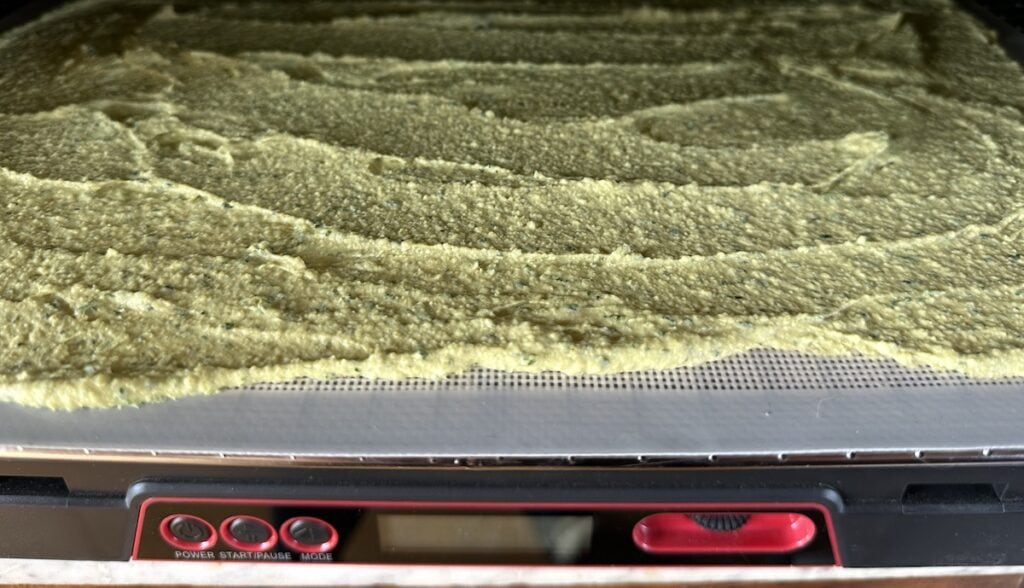
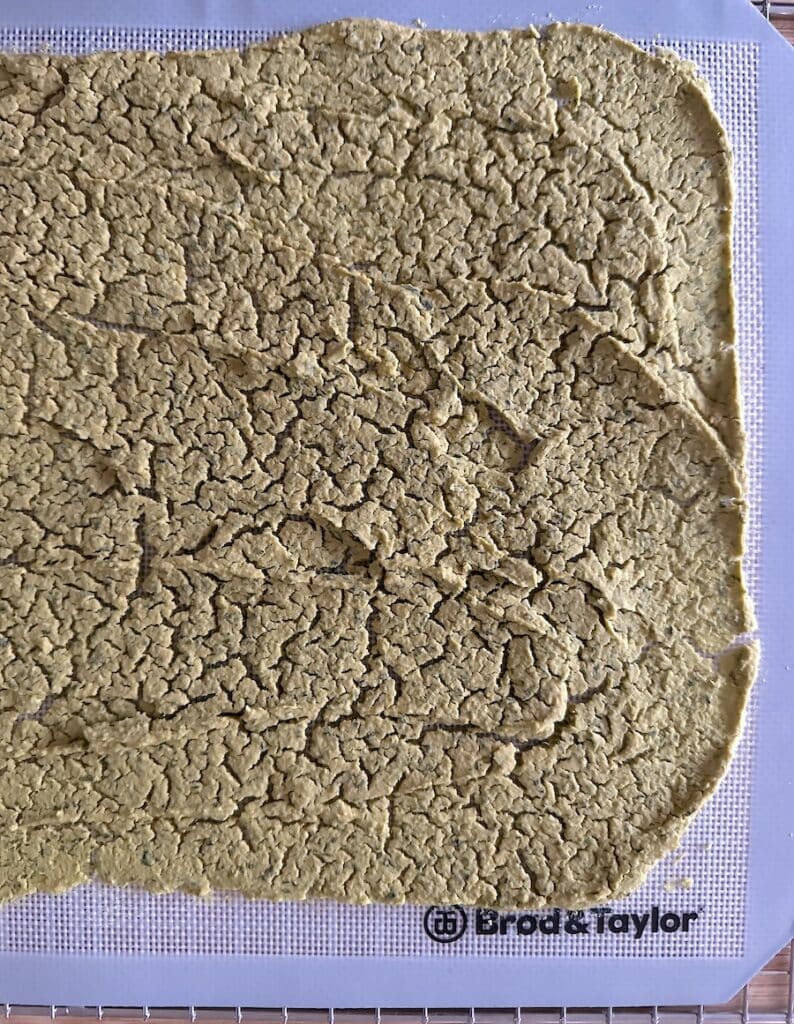
STEP 8: Dehydrate at 125º for 4-6 hours. The timing will depend on how thin your hummus layers are. The hummus is dehydrated when it is cracked, dry, and crumbly. It will be a uniform color and make a powder between your fingers.

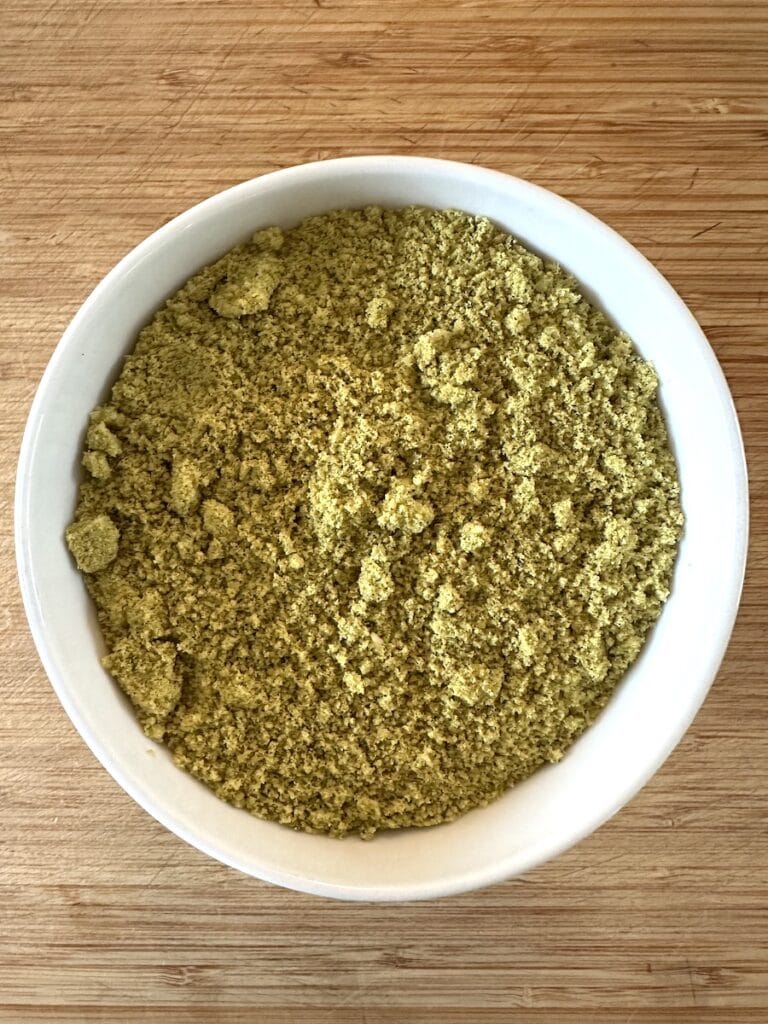
STEP 9: Place the crumbled hummus into a blender to pulse into a hummus powder. This is not necessary but I prefer to have it uniform when packing and mixing as it keeps things tidier and more compact.
Backpacking Hummus Lunch Idea
This may just become part of your regular backpacking lunch routine! Hummus is one of my favorite foods so I definitely make this often. You can make this lunch gluten-free by using special tortilla wraps, either made with rice flour or grain-free versions.
Picture this deliciousness: hummus, sun-dried tomatoes, dehydrated olive paste, hot sauce packets, olive oil packets, and a stack of soft wraps.

WHAT TO BRING (SERVES 4):
- Bag of homemade dehydrated hummus (the amount made in the recipe in this post)
- Packet of olive oil
- Sundried tomatoes
- Dehydrated olive paste
- 4 tortillas or other wraps
- On the side: a stick of shelf-stable meat for slicing, dried fruit of choice, cheese for backpacking, hot sauce packets, spoons for stirring hummus.

Rehydrate your hummus with water until it is the desired consistency. Add a packet of olive oil to the mix. Spread it out on a wrap for each person. Top with sundried tomatoes, rehydrated olive paste, and a sprinkle of hot sauce if desired!
The sun-dried tomatoes added a burst of tangy sweetness, while the dehydrated olive paste brings a salty Mediterranean twist with its briny richness. And of course, a drizzle of olive oil and a dash of hot sauce to elevate the flavors to new heights!

🔥 For foodie backpackers seeking a lightweight no-fuss campfire meal, my stick bread recipe is the perfect addition to your rehydrated hummus —just a stick and fire are all you need! Use the bread as a dip for the hummus and enjoy a 100% homemade meal in the wild.
FAQS: Dried Hummus
Newbies to dehydrated food and those exploring new options may have some questions! I’ve provided helpful answers whether you’re curious about its shelf life, rehydration process, or creative usage.
What is dehydrated hummus?
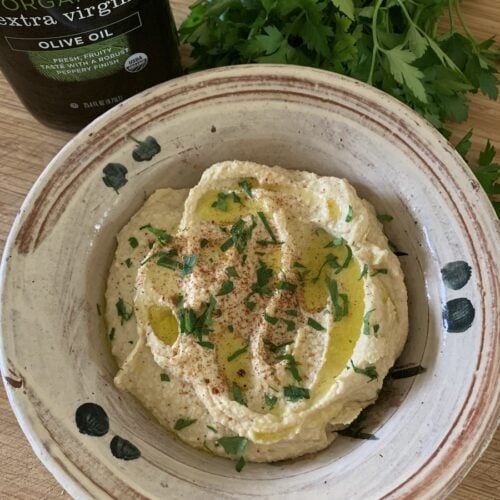
Dehydrated hummus is a powdered and dried form of traditional hummus made by with the traditional ingredients of chickpeas, tahini, spices, and lemon. It is rehydrated with cold water to create the creamy hummus texture we all know and love.
How do you dehydrate store-bought hummus?
Dehydrating store-bought hummus is a great way to make your favorite creamy dip shelf stable and last longer. However, keep in mind that store-bought hummus has oil it in so the shelf-life of the dehydrated version is much shorter. I recommend using it within a couple of weeks.
In the meantime keep it stored in an airtight container in the fridge to make it last longer.
How long does powdered hummus last?
If powdered hummus does NOT have any tahini or olive oil in it, it will last upwards of a year if stored properly in an airtight container. Store in the freezer for longevity. Now, for dried hummus that is made with tahini, as my version is, I would use it within a few weeks time or a month tops.
Fats and oils can turn and spoil lending an off taste to things.
Can I take hummus backpacking?
Yes, hummus is an excellent snack for a backpacking trip. The lightweight dehydrated dip can easily fit into a sealed container. It’s also high in protein and fiber, making it a great source of energy while on the trail. Additionally, it tastes great with crackers or vegetables and provides a delicious energy boost.
How do you use powdered hummus?
Once you’ve rehydrated hummus and added olive oil to it, you can use it in various ways. One use is as a creamy dip served with pita chips, tortilla chips, fresh vegetables, or crackers. Hummus can also be used as a spread on sandwiches, wraps, or burgers. You can also use it as a topping for roasted or grilled vegetables.
Can I store rehydrated hummus after making it from the dehydrated mix?
It is generally recommended to consume rehydrated hummus immediately for the best flavor and texture. I have never had leftovers of my rehydrated hummus! However, if you have leftovers, you can refrigerate them in an airtight container for up to 2-3 days.
Just note that the consistency may change slightly, so give it a good stir and add a bit more water if needed before enjoying.
The Wrap-Up: Instant Hummus for Backpacking
This hummus recipe is a fantastic option for hiking trips, backpacking, or camping adventures. It makes it easy to carry in your backpack or camping gear without adding unnecessary bulk.
Additionally, it’s great to prepare it in advance for extended trips. So, be sure to add it to your camping food list for your next adventure!
I hope you give it a try. If you do please share in the comments below – I really enjoy hearing from my readers.
Dehydrated Hummus with Cilantro and Lime
Ingredients
- 2 x 25 oz cans garbanzo beans (chickpeas)
- ⅓ cup aquafaba liquid from the can
- 2 cloves garlic, minced
- ¾ cup tahini
- 1½ cup chopped fresh cilantro
- 3 limes, juiced
- 1 tbsp hot sauce
- 1½ tsp sea salt
For Serving
- 1 olive oil packet per person
- wraps, crackers, veggie sticks, etc
Instructions
- Drain the garbanzo beans from the cans, reserving 1/3 cup of the aquafaba (the liquid from the can). Set aside the aquafaba.
- In a food processor or high powered blender, combine the drained garbanzo beans, minced garlic, tahini, aquafaba, lime juice, sea salt, and hot sauce.
- Blend the ingredients in the food processor for about a minute until smooth.
- Add cilantro to the hummus mixture. Blend again until smooth.
- Once the hummus reaches your desired consistency and flavor it is ready for dehydration.
- Spread the hummus out in even layers on the fruit leather mats that go with your dehydrator.
- Dehydrate at 125F for 4-6 hours. The timing will depend on how thin your layers of hummus are! The hummus is dehydrated when it cracks, crumbles and is much lighter in color.
- Let the hummus cool. Pour the crumbles into a blender and pulse to create hummus powder.
- Package the instant hummus into zip top bags for use on the trail. You can do this for each individual or make one big batch to share.
Rehydration and Serving
- Add water to the dried hummus, stirring well, until the desired consistency is reached.
- Stir in desired amount of olive oil for each serving. Enjoy!
Read More…
- How to Dehydrate Strawberries
- Dehydrated Apples with Cinnamon
- Dehydrating Carrots for Backpacking
- How to Dehydrate Olives
- The Best Dehydrators for Camping Food
- What is the Difference? Backpacking vs. Hiking
- What is a Switchback in Hiking?
- Easy Camping Meals for Everyone
- Make Ahead Breakfast Ideas for Camping
- Delicious Camping Food Ideas
