
13 Pros and Cons of Hiking in Jeans (2025)
Are you wondering if you can go hiking in jeans? Sure you can! But there are some important things to consider when making the decision.
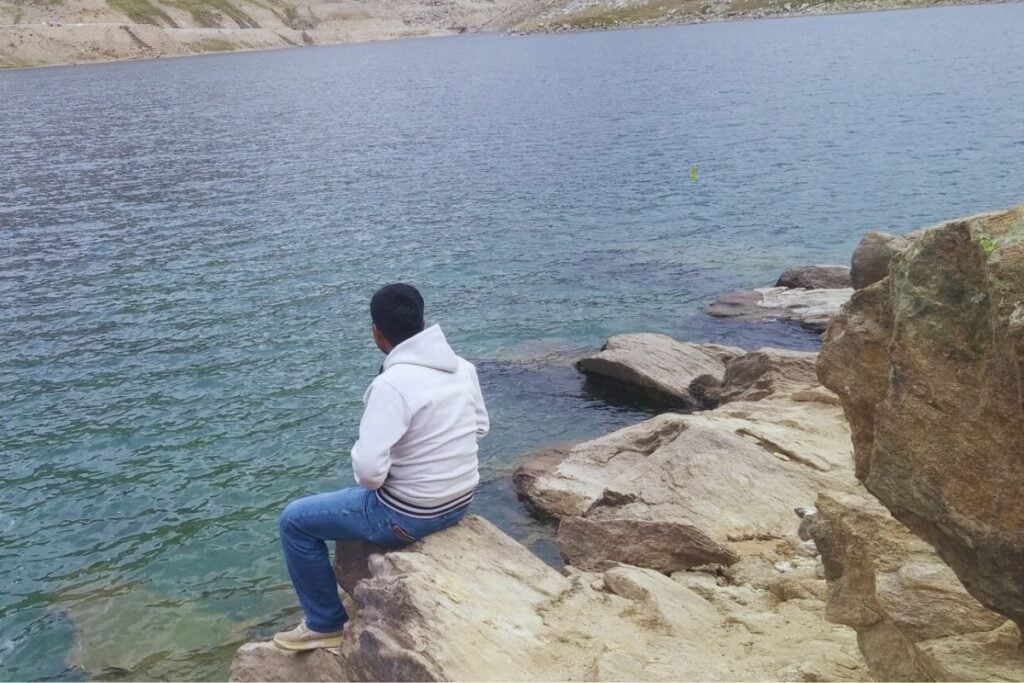
That’s why I asked Muhammad, of Hiking Insights, to share some of his thoughts since he always hikes in jeans! Muhammad is an avid hiker and adventurer who enjoys writing about his outdoor adventures and provides insightful tips on how to fully embrace and enjoy every journey, aiming to assist and inspire people along the way.
When it comes to hiking gear, it’s important to remember we all have different preferences and levels of comfort. But, we don’t recommend just jumping in and choosing jeans for every hike.
You may end up uncomfortable in jeans and not enjoy that hike you’ve been looking forward to for months!
We think you might be pleasantly surprised by some of the info here! Read on for advice and tips to help you decide what works best for your adventure.

Can I Go Hiking in Jeans?
Certainly! However, it’s important to note that while hiking in jeans is possible, many enthusiasts treat hiking as a serious sport, a chance to push themselves and showcase their abilities.
These folks go all in to do their best, whether it’s a choice of gear or apparel for hiking. Serious hikers prefer to purchase top-rated gear and follow the newest trends.
On the other hand, some of us take up hiking as a hobby and with our laid-back personalities, we prefer to hike in jeans so we can enjoy hiking in style or in regular attire.
Some might call hiking in jeans a heinous crime, while others preach it!
So can you hike in jeans? In short, yes, you can hike in jeans, BUT they are not recommended for long and strenuous hikes.
Jeans can suffice for shorter dry hikes (3 to 4 km/1.5 to 3 mi) on well-maintained trails as long as you feel comfortable in them.
Why Do So Many Hikers Hate Jeans?
Many avid hikers tend to advise against wearing jeans during hiking adventures, and for good reasons.
One of the primary concerns is chafing, which can be particularly troublesome on challenging trails or extended hikes, leading to discomfort and potentially hampering performance.
Jeans can become quite unpleasant after an intense hike due to their poor moisture-wicking capabilities. This issue is exacerbated during warm weather hikes, as increased sweating causes the jeans to absorb more moisture.
The material’s slow drying time can then leave the hiker feeling uncomfortably damp for a significant duration.
Furthermore, jeans are typically heavier than specialized hiking attire like pants or shorts, making them less favored by backpackers who prefer to minimize their load.
Additionally, jeans tend to restrict movement, a problem that becomes more pronounced during uphill or downhill hiking. In contrast, outdoor clothing offers greater flexibility and freedom of movement, all at a lesser weight.
Additionally, denim lacks substantial insulation, which becomes a concern in colder climates where preserving body heat is essential for comfort and safety.

Types of Jeans for Hiking
If you’re inclined to hike in jeans, we recommend opting for pairs made from breathable materials like nylon or polyester. These fabrics excel at moisture-wicking, allowing for quicker drying times and less odor retention.
When choosing jeans for hiking, it’s important to look for durable stitching that won’t easily rip apart. This gives you added confidence when hiking on challenging terrains, whether uphill or downhill.
Additionally, consider jeans crafted with stretchable fabrics like elastane or spandex. These materials enhance the flexibility of the jeans, ensuring they don’t hinder your hiking performance.
Having said that, it’s also important to consider the style of jeans you feel comfortable in, but this is mainly a personal preference.
Also, jeans with more pockets are a better option for adequate storage, especially for your phone, keys, or other pocket-friendly gear if you don’t wear a pack.

Pros of Hiking in Jeans
Indeed, there can be some benefits to wearing jeans while hiking!
1. Durability
Jeans, traditionally made from a blue-dyed cotton weave, are known for their toughness. This fabric has historically been used to make tents, demonstrating its ability to withstand harsh conditions over time.
When hiking, you might encounter rough terrains; jeans can provide a protective layer against scratches and bruises. At the summit of a hike, sitting down to enjoy your day hike food is a breeze with tough jeans on!
2. Comfortable
During my hikes, out of curiosity, I asked many fellow hikers why they chose jeans for hiking when there were so many other options available in the market specially designed for hiking.
Most of them thought jeans were more comfortable, especially the stretchy jeans that gave them enough room to bend their knees easily. People who prefer to lounge in jeans habitually are also more compelled to use them for hiking.
3. Budget-Friendly
Many individuals take up hiking as a casual hobby initially and might not be inclined to invest heavily in specialized gear right away.
The fear of realizing that hiking may not be for them after spending a significant amount on hiking pants can deter newcomers from making the purchase.
In comparison to hiking pants, jeans are certainly a more budget-friendly option. This makes jeans an accessible and economical choice for those starting their hiking journey.
4. Stylish
I understand that some people prefer to hike in jeans as they believe they’re more fashionable than traditional hiking pants. I can’t help but agree with them.
Nowadays, hiking has evolved beyond a mere task to accomplish. It often becomes a friendly competition, where looking good is just as important as reaching the destination – at least for casual hikers, if not for the professionals.
No one wants to appear shabby while out with their friends, after all!
5. Versatile
Jeans are versatile. They were initially designed for sturdy workwear but have evolved over time and can also be a good choice for outdoor adventures.
Some jeans even have a zipper at the knees; open the zipper, remove the lower part, and voila, you have a pair of shorts. You can also wear stylish jeans at home, the office, or at parties without looking unkempt.
6. Protect Sensitive Skin
Hypoallergenic fabric in jeans is essential for those with sensitive skin or allergies. One of the most commonly used hypoallergenic fabrics in jeans is cotton, particularly organic cotton.
Cotton is a natural fiber that is soft, breathable, and non-abrasive, making it an excellent option for those with sensitive skin. It is also easily washable, which is important for removing allergens.
In addition to natural fiber, some jeans may also incorporate microfiber or nylon, which are non-porous materials that can block allergens.
7. Long-Lasting
A well-made pair of jeans, especially those crafted from heavyweight denim with reinforced stitching, can last for years.
This makes them a potentially cost-effective option for hikers who prefer not to frequently replace their gear.

Cons of Hiking in Jeans
8. Weight
Many hikers, myself included, voice concerns about the weight of jeans for hiking. The dense cotton or denim materials used in their construction add an unnecessary burden on the hiker.
Furthermore, their bulkiness makes them impractical for backpacking, taking up valuable space and adding extra weight to our gear.
🥾 For recommendations for longer hikes check out this 5-Day Backpacking Gear List!
9. Don’t Dry Easily
Hiking isn’t always a dry affair. During many hikes, people get wet from rain or by crossing a puddle of water.
Consider the scenario where even a small portion of your jeans, say 3-4 inches, gets wet. The denim would take hours to dry, leaving you to slog through your hike in damp jeans and squelching shoes. A chilly breeze could make the situation worse, adding insult to injury.
The problem intensifies if it begins to rain and most of your jeans become soaked. The waterlogged fabric could nearly double the weight of your jeans.
You’d find yourself burdened with the unwelcome task of dragging along jeans that feel as heavy as stones tied to your feet.
10. Not Very Breathable
Traditional jeans are crafted from a dense weave of cotton, providing little to no breathability. Some modern variations incorporate materials like nylon or spandex, improving airflow slightly.
However, a standard pair of jeans lacks this feature, resulting in a lack of oxygen reaching your skin, leaving it craving for fresh air.
11. Lack of Insulation
Envision hiking on a brisk winter evening and suddenly experience a chill running down your spine. That wouldn’t make for an ideal hiking experience, in my view.
Therefore, if you’re aiming for a perfect hike, it’s advisable not to wear jeans in cold weather, as they are incapable of providing sufficient insulation against the cold.
It’s worth mentioning some jeans are insulted with fleece or flannel.
12. Retain Sweat and Odor
Jeans, typically not made of blended fabrics, struggle to wick away sweat and moisture from the body. Instead, they absorb it, leaving you feeling damp.
This could potentially lead to bacterial infections and other hygiene-related problems. Moreover, the unpleasant odor that can accumulate is not only bothersome for you but also for your hiking companions.
13. Easily Rip Apart
If you decide to hike in jeans, it’s crucial to invest in a durable pair, as cheaper ones can easily rip. Another potential issue could be choosing ripped jeans with hanging threads for your hike.
If any thread gets caught on a tree branch, it could cause the jeans to tear further. So, always opt for quality and intact jeans for your hiking adventures.
Alternatives to Hiking in Jeans
Wearing jeans may seem easy, comfortable, and affordable, but they can significantly impact hiking performance, especially if you are backpacking or on a multiday hike.
Therefore, we recommend choosing high-quality hiking shorts, pants, jogging pants, and specially designed hiking clothing. They help reduce the risk of chafing, control odors, and improve trail performance and speed.
Despite the high price, they will be worth it because they are lightweight and breathable. They will not restrict your movement, which is crucial for backpacking or hiking uphill or downhill.
Don’t forget to consider what you wear underneath your pants! Read about the best hiking underwear for ultra comfort and keeping your bum happy.
Hiking Pants
Hiking pants can be roll-up pants, convertible pants, or traditional full-length pants. Here are some favorites.
For Men:
- Fjallraven Keb Trousers
- Outdoor Research Ferrosi Pants
For Women:
- REI Co-op Trailmade Pants
- KUHL Freeflex Roll-Up Pants
Hiking Shorts
Hiking shorts can be one of the most versatile items in your closet because they are so comfortable you may end up wearing them all the time!
For Men:
- KUHL Renegade Shorts
- REI Co-op Trailmade Shorts
For Women:
- REI Co-op Trailmade Shorts
- prAna Halle Shorts II
Leggings, Sweatpants, or Jogging Pants
This category admittedly has the most flexible and comfortable options if the weather is not too hot. Cropped joggers are hip, flexible, and look super cool too!
For Men:
- The North Face Trailwear OKT Jogger Pants for Men
- REI Co-op Trailmade Joggers
- KUHL Suppressor Joggers
For Women:
- Athleta Trekkie North Jogger Pants
- prAna Kanab Pants
- Black Diamond Notion Pants

FAQs: Hiking in Jeans
Here are some questions related to backpacking or hiking in jeans and some answers to help you decide what is best for you!
Is it a bad idea to wear jeans when hiking?
Generally, you can wear jeans for short, easy, hikes on well-maintained terrain, but they are not a good option for long and rigorous hikes. They lack breathability and moisture-wicking properties and are much heavier than hiking pants, which makes them a bad choice for backpacking.
Since jeans tend to retain moisture when wet, they stink badly after a few miles of hiking, so we don’t recommend that for long hikes.
Is it better to hike in jeans or sweatpants?
It is better to opt for sweatpants or jogging pants over jeans. Unlike jeans, sweatpants and jogging pants offer better flexibility and movement for almost all kinds of terrains. Additionally, sweatpants are lighter and more breathable than jeans. That said, you can hike in sweatpants in different weather conditions without worrying about sweat, the difficulty of terrain, and chafing.
Should you wear jeans for trekking?
Trekking demands better movement and flexibility due to the rugged and uneven terrain that jeans cannot provide. We are firmly against the idea of wearing jeans for trekking even though they are good for short hikes. Trekking is a strenuous outdoor activity, so wearing jeans during long treks can lead to discomfort, chafing, and fatigue.
Are jeans or leggings better for hiking?
Both jeans and leggings have advantages and disadvantages, so it mainly depends on the kind of trail and weather when you are going to hike. Jeans are more durable than leggings and protect the body better than legging from scratches and insect bites. But leggings offer better flexibility and breathability, making them better suitable for most terrains than jeans.
When should you not wear jeans hiking?
You should not wear jeans for long and strenuous hikes. Also, please don’t wear them during hot and humid weather, as denim’s thick fabric hampers breathability, resulting in excessive sweating. In addition, you should not wear jeans while hiking in rain as they tend to absorb water and become heavy so you will be carrying extra weight.

The Bottom Line: Hiking in Jeans
Hiking in jeans clearly has both advantages and disadvantages depending on the situation. If you are considering hiking in jeans you should carefully evaluate if this choice aligns with the length of the hike and your comfort level!
Also don’t forget to take into account the weather conditions you’ll be hiking in!
It’s crucial to ensure your comfort and safety during the hike, so consider materials that are breathable, insulating, or waterproof as needed.
Always remember, the right choice of gear can make or break your hiking experience.
