
Zero Waste Camping Food Tips and Supplies
Zero waste camping food is all about planning ahead and reducing the amount of waste produced while camping.
With a general healthy move toward sustainability in all areas of living, we can see this is more than just a trend – it’s an important lifestyle upgrade aimed at reducing our carbon footprint.

Everyone knows that one of the best parts of camping is enjoying all the delicious food! But have you ever thought about how much waste your favorite camping meals can create?
Caring about the impact we have on the environment, especially while we camp and enjoy the (hopefully) pristine surroundings we traveled to see, is a responsibility we have for the health and future of our planet.
If you’re looking to make your car camping trip more sustainable, zero-waste camping food is a really great place to start. There are, luckily, many ways to reduce waste, leave no trace, and help preserve the environment while camping.
What is Zero Waste Camping Food?
Zero waste camping food is food that is either packaged in reusable containers or disposed of in a way that does not create waste. Only bring the food you need for your trip and not anything extra that needs to be disposed of at the campground.
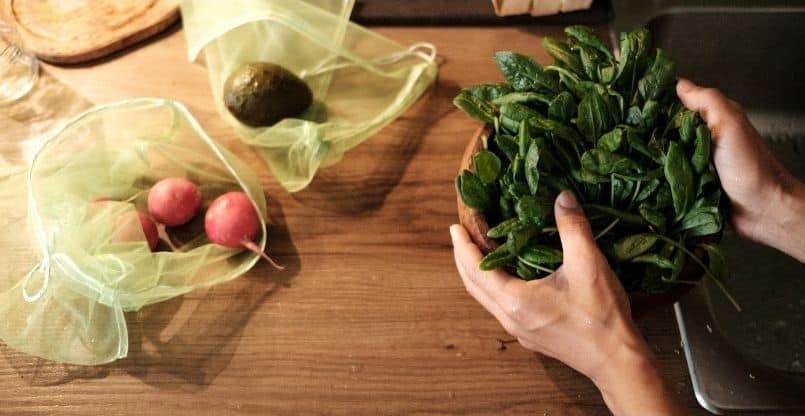
Canned and packaged foods create a whole lot of waste, so opt for fresh items like fruits and vegetables, or bulk grains, and dried goods in jars. An added bonus of this shift is that you will be eating healthier!
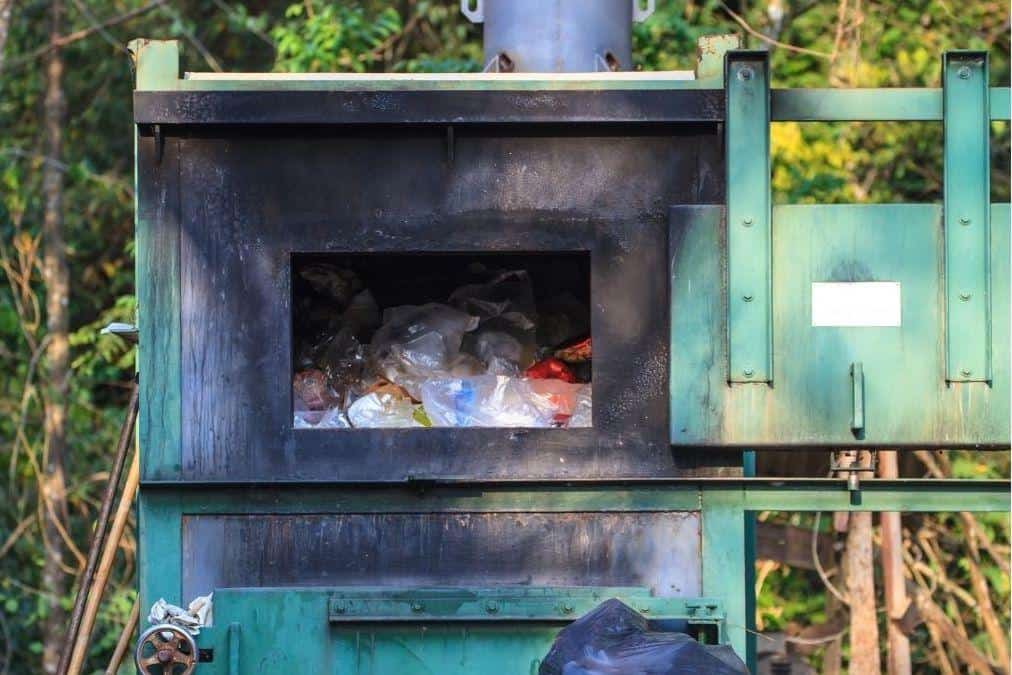
Food waste, sadly, makes up the highest percentage of waste thrown away at many National Parks, for example. Additionally, think about the National Parks in Alaska, for instance, facing a unique set of challenges with recycling and composting due to their remoteness.
When camping, it’s definitely easy and tempting to let good habits slide in favor of convenience. While it can be difficult to achieve zero waste when camping, there are a few things you can easily do to reduce your impact when starting out.
Tips to Reduce Food Waste While Camping
- Meal planning is the first step in reducing waste! Make a list and shop smart. Always plan ahead and pack food that does not create trash from packaging.
- Make as much food in advance as possible. This will likely reduce 90% of your waste. Potato and vegetable salads are easy to make at home and bring to your campsite in well-sealed containers.
- Spend some extra time at home and remove plastic packaging. Repack food into non-disposable space-efficient containers. Let’s face it, it’s nearly impossible to complete a grocery shopping trip devoid of plastic or other disposable wrappings these days. But we can control what we leave home with.
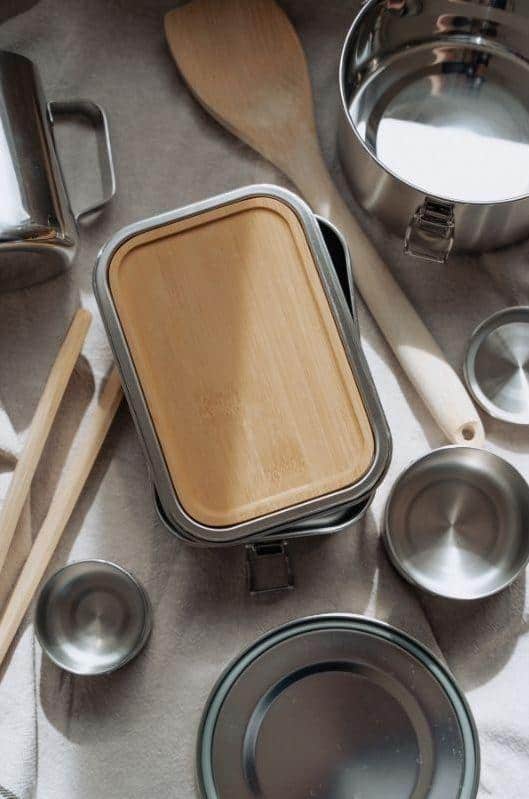
- Create a zero-waste camping food kit that you keep stored and organized at home! Avoid packing any single-use kitchen items. Instead, opt for items that can be used over and over again. This includes things like reusable water bottles, cups, utensils, and food containers.
- One fun idea is to go thrifting for camp kitchen items and start a collection of inspiring containers and more to use just for camping! This way, you can avoid using disposable plasticware, which often ends up in landfills.
- Ditch the bottled water! You need to have your own reusable water bottle for whenever you leave home. In addition, bringing a large 2, 3, or 5-gallon water jug to use in your camp kitchen is a good idea.
- All sorts of household products can be made zero waste, including toothpaste, soap, shampoo, and deodorant. Bar shampoo and conditioner, for example, can be just as effective as those that come in a bottle. In addition, when it’s time to clean up, be sure to use low-impact biodegradable soap.
Food Ideas for a Zero Waste Camping Trip
When it comes to camping food, the options are wonderfully endless! You can cook just about anything over a campfire and there are plenty of ways to do it without creating any waste. Opt for simple recipes that don’t require a lot of pots and pans or better yet premake most meals.
Use fresh ingredients instead of packaged goods whenever possible. Making your own dehydrated camping and backpacking meals is such a great way to avoid waste. Simply pack what you need in reusable individual containers and add water when serving, it’s that easy!
If you’re looking for some simple fresh meal ideas, here are a few of our favorites.
Zero Waste Breakfast Foods
Oatmeal is a great option for breakfast on a zero-waste camping trip. Just bring along some reusable containers filled with instant oatmeal, spoons, and toppings and you’re good to go. Just add water.
These bowls are our family’s favorite option because the lids snap on tight and the hex pattern on the bottom disperses heat, while the side handle makes them easy to hold.
You can also make pancakes from a pre-mixed batter or a dry mix, prepared at home, in a mason jar. Just pack away any leftovers in reusable containers.
If you want to eat eggs, scramble them up raw and place them in a container at home. That way you don’t have to worry about the eggs breaking and you won’t have eggshells to deal with.
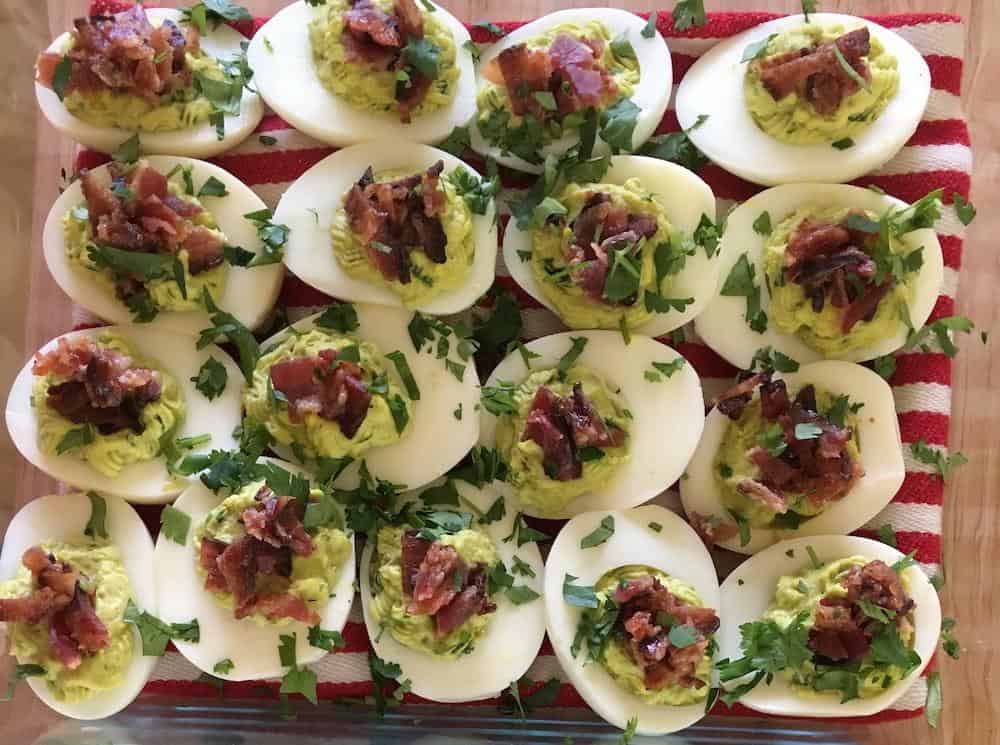
Hard-boiled eggs are great but you will have the shell to deal with. Instead, prepare some delicious deviled eggs at home to pack up. For added protein and crunch, top with bacon!
Zero Waste Lunch Foods
Lunch is one of the easiest meals to prepare. You can pre-pack a variety of sandwiches, wraps, and salads in reusable containers, or cook up some fresh veggies on the campfire.
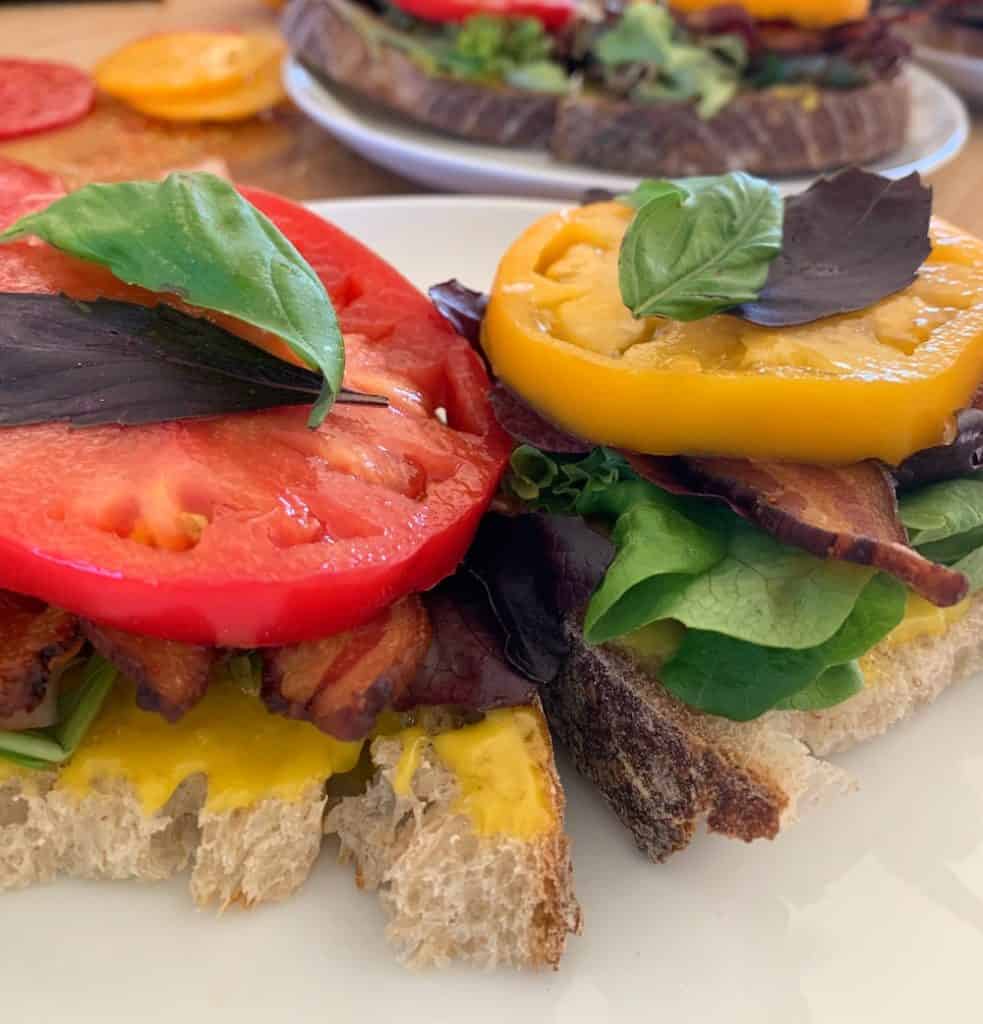
Sandwiches are such a great option. Just be sure to pack them in reusable containers instead of disposable ones. Our favorites include PB&J on hearty bread, BLTs, turkey sandwiches, and veggie/hummus or bean/avocado/cheese wraps.

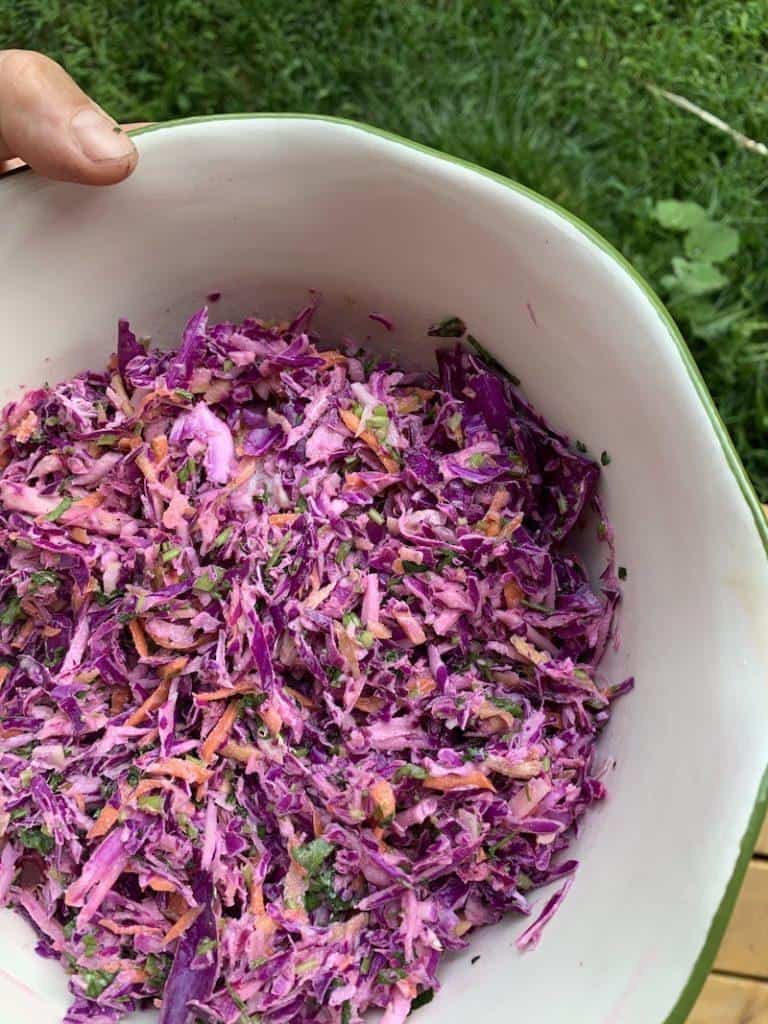
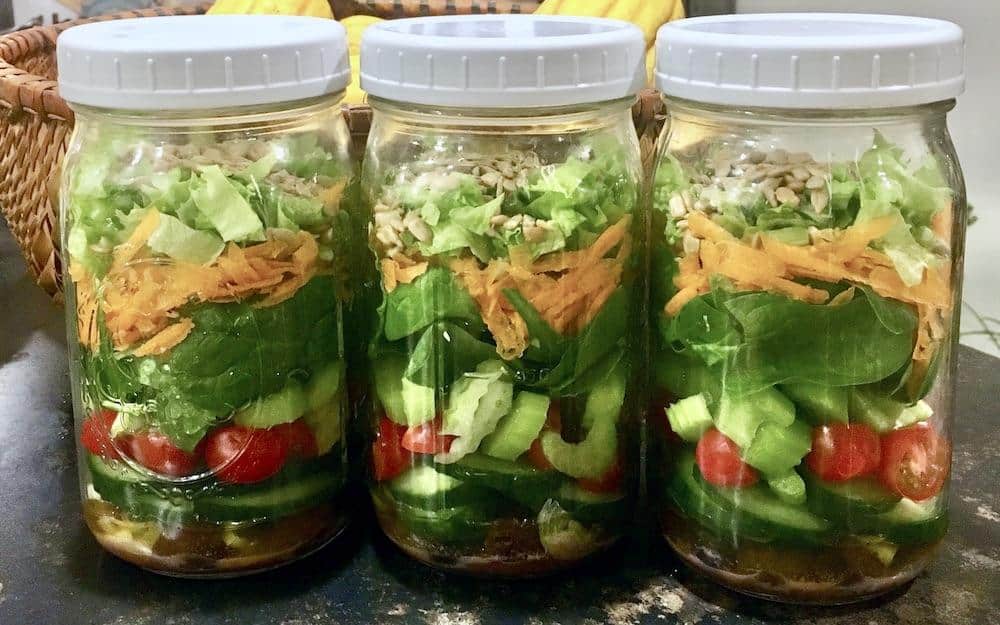
Pre-made salads are another delicious choice. Go even further and package each person’s salads in a mason jar beforehand with the salad dressing in the bottom of the jar.
Be sure to put vegetables on the bottom that are able to withstand sitting in dressing such as celery, cucumbers, onions, or olives. Add protein such as tofu, grilled chicken, hard-boiled egg or tuna,
Zero Waste Dinner Foods
The only limits are your imagination and time here. It’s best to have everything packed in a cooler, prepared, and put into containers at home, to cook or reheat at the campsite.
Grillables are a perfect option for a zero-waste camping dinner. Bring marinated chicken or another protein and simply grill over the campfire. Vegetables can cook alongside your protein with a simple sprinkle of salt and pepper. Add a pre-made bean or potato salad to complete the meal.
Stews and chilis are my favorite cooler-weather camping dinners. They’re easy to make and prepare in a variety of ways, on-site or at home. Check out this post for a super easy chili recipe, best made at home for zero waste.
If you love the idea of cooking over the campfire, empty chili ingredients from cans into stainless steel containers at home and tote along. Simply pack the rest of the ingredients in your reusable containers, bring a Dutch oven, a ladle and you are good to go. A loaf of homemade bread or cornbread is satisfying to eat on the side.
Zero Waste Snack Ideas
✔️ Make your own granola bars or our favorite energy bars and pack them in a reusable container of choice.
✔️ Fresh fruit, muffins, or veggie sticks and cheese are very satisfying.
✔️ Cheese! Wrap your cheeses in bees wrap or store it in a stasher bag.
✔️ Jars of nuts, GORP, dried fruit, or jerky are great for bulk snacks.
How to Recycle and Compost While Camping
Remember: reduce, reuse and recycle! Always research beforehand and pay attention to what facilities are available where you are camping. Moreover, if trash receptacles exist at the campground you will be staying at, try not to rely on them. Be responsible and pack out everything you bring in, if possible.
Most importantly, when you are camping in a remote or off-grid location you need to be aware there is often no designated place to dispose of your trash. Every piece of garbage you generate must be taken home.
You may find that the thought of packing your backpack with decaying waste is a great incentive to increase your packing efficiency.
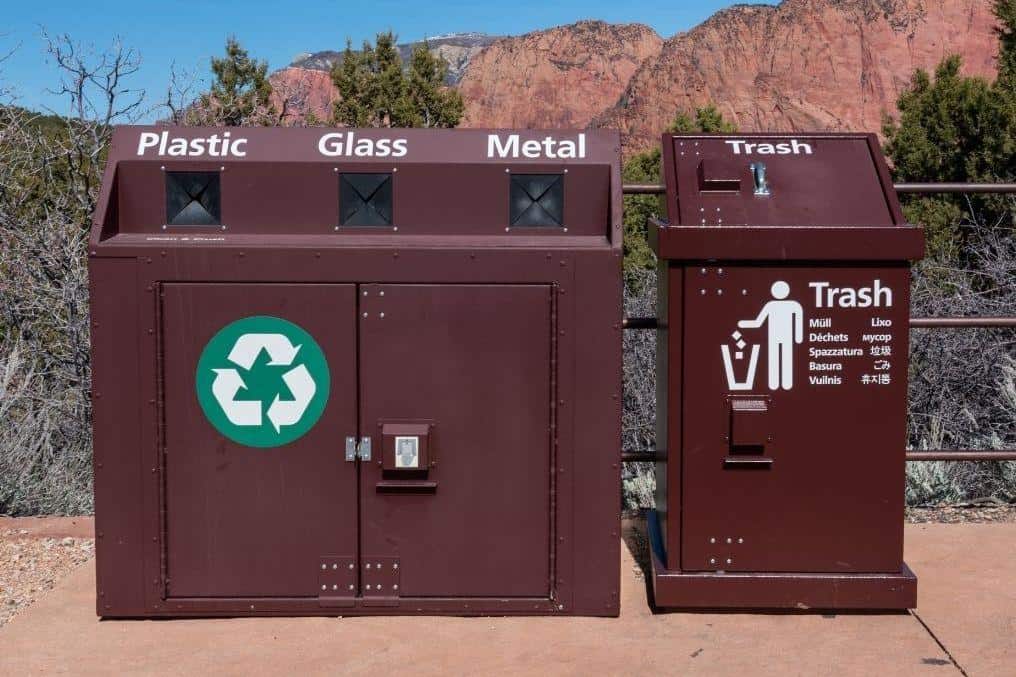
Recycling and composting are two great ways to reduce waste while camping. Here are a few tips for recycling and composting while camping:
♻️ Recycle cardboard, cans, and bottles
Please do not attempt to burn cans but you can use any cardboard from food packaging to start your fire if a fire pit is available to you. Campfires are generally not hot enough to actually break down aluminum cans or melt glass and then the residue from the leftover material attracts wildlife and puts animals at risk.
Broken glass can create a dangerous mess for all. Respect wildlife and future campers by keeping your fire pit clean.
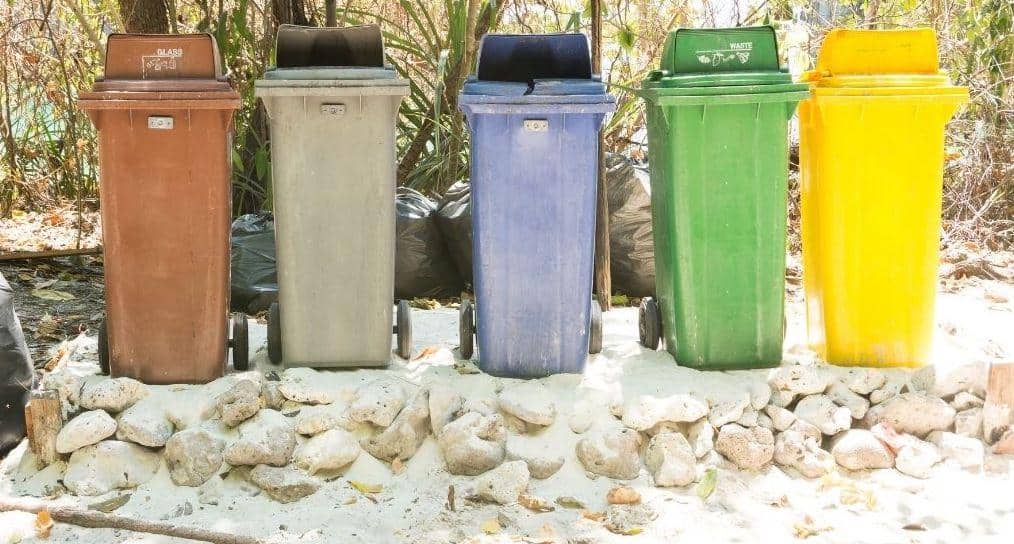
Use the appropriate container at the campground to recycle your items or bring them back home to recycle.
♻️ Compost food scraps
Just because food is biodegradable does not mean you should be tossing it on the ground for the birds or “harmlessly” into the woods to decompose. It can take a few years for things like banana peels and orange peels to break down.
In addition, food scraps attract wildlife, putting both animals and humans at risk.
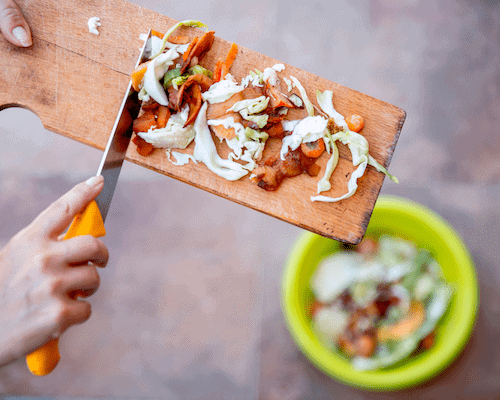
Use a mason jar or a lightweight option such as a tennis ball container to collect food scraps such as chicken bones, tomato stems, apple cores, and so on. Both of these containers seal well but the screw-on mason jar top is superior.
Final Thoughts on Zero Waste Camping Food
Camping is a great way to get outdoors and enjoy nature, but it’s so important to be mindful of the waste we create while enjoying our time in the wilderness. Building more responsible habits with every trip we take will make a huge impact.
By bringing food that doesn’t come in its original packaging, in addition to recycling and composting what we can, we can all do our part to reduce our impact on the environment. Remember, you don’t have to aim for perfection but rather keep working on being conscious and mindful.
It is difficult to achieve 100% zero waste food, but hopefully, our tips get you started in the right direction. This Earth Day make plans for a more eco-friendly camping trip as a gift to this planet!
