
21 Camping Safety Tips For A Successful Adventure
Camping safety tips are essential when heading out into the wilderness.
Whether you’re a seasoned camper or just getting started, it’s important to know the basics of outdoor safety. In this blog post, we cover some important key tips for having a safe and enjoyable camping experience.
While camping can be a fun escape from the hustle and bustle of your usual life, it is essential to stay safe! So, grab your gear, and let’s dive in!

🏕 Camping Safety Tips
As with any outdoor activity, there are certain risks associated with camping. But with the right preparation and a few safety tips in mind, you can minimize these risks and enjoy a stress-free trip.
1. Drink Enough Water
Drinking sufficient water is one of the most important safety concerns when camping. It is essential to stay hydrated because not drinking enough water can cause dehydration, which can be dangerous and lead to various health problems.
Dehydration can cause fatigue, headaches, dizziness, confusion, and even heatstroke. It is crucial to bring enough drinking water with you when camping and to stay hydrated throughout the day to avoid any health issues.
2. Research Your Camping Destination
Research your campsite destination because this can help you plan for any special considerations or potential threats that may be present in the area, such as wildlife, terrain, and weather conditions.
Knowing what to expect can help you prepare for potential emergencies and be better prepared to handle any situations that may arise. Likewise, knowing what safety protocols are in place can also help you to stay safe.
In addition, researching your campsite destination can help you to identify any restrictions that may be in place, such as fire bans, no camping with dogs, or other regulations that could affect your camping experience.
3. Pack The Right Gear
It is essential to be prepared for all weather conditions, especially when camping in the winter. Make sure you pack appropriate clothing, such as rain jackets, warm jackets, and hats.
You also need to ensure you have the right camping gear, such as a tent, tarp, sleeping bags, a camping stove, and other cooking and eating utensils.

4. Check Your Equipment
Before you set out, ensure your camping gear is in good condition! This includes checking packs and sleeping bags for rips or tears, ensuring all of your supplies are in working order, and inspecting your camping stove and other devices.
5. Set Up Camp In A Safe Place
When setting up your campsite, ensure it is in an area free of any potential hazards. This includes avoiding areas prone to flooding, unstable ground, and any sites that have been closed or have a warning sign.
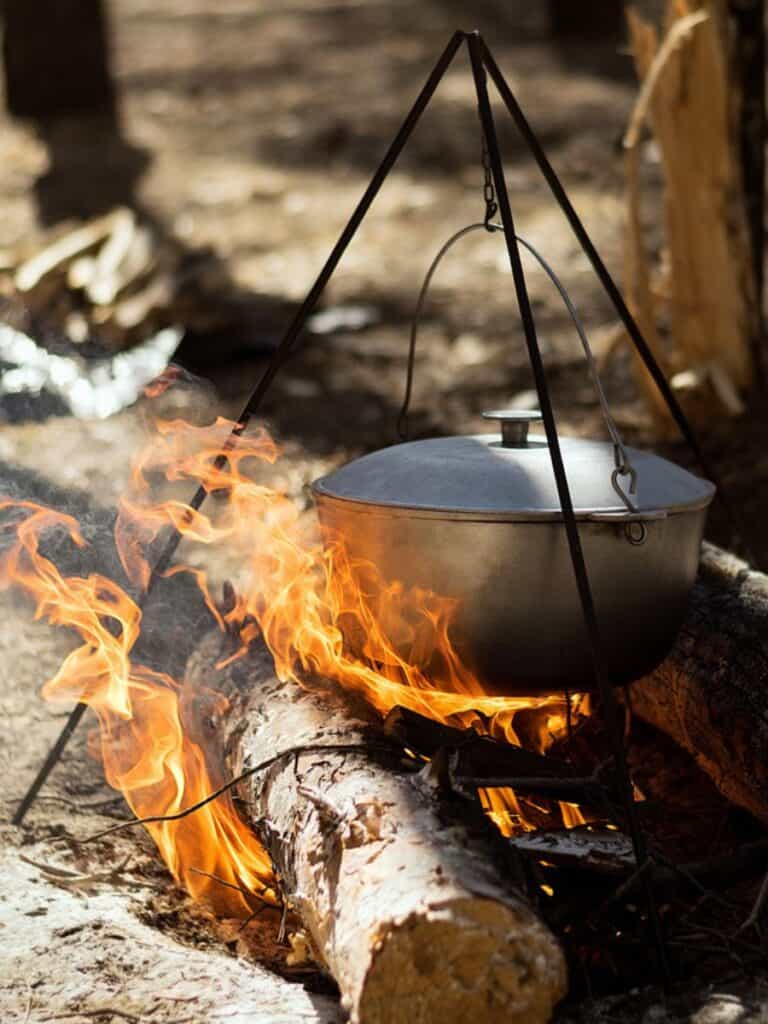
6. Keep an Eye on the Campfire
Never leave campfires burning unattended, and make sure to extinguish them completely before leaving the area. It is also essential to avoid burning or throwing lit cigarettes or matches on the ground near the campsite.
7. Store Food Properly
To avoid attracting wild animals, store your camping food in a secure location. This could include a bear-proof container or hanging your food from a tree.
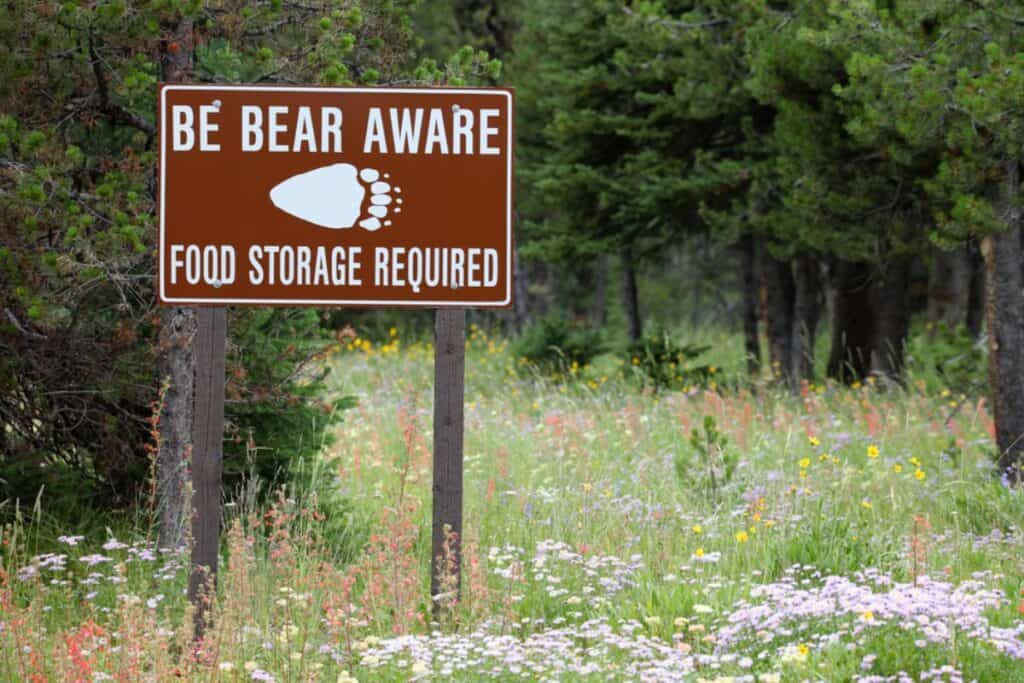
8. Be Aware Of Your Surroundings
It is essential always to be aware of your surroundings while camping. Pay attention to any signs of wildlife; if you spot a wild animal, stay back and do not approach it.
9. Wear The Proper Clothing
When participating in any outdoor activities, make sure you are wearing the appropriate clothing and footwear. This includes wearing a helmet when cycling, a rain jacket in wet weather, or a life jacket when boating or swimming.
10. Follow Local Regulations
Ensure you are familiar with the local regulations and restrictions regarding any activities you participate in. This includes any restrictions on firearms, fishing, hunting, and boating.

11. Exercise Caution and Use Good Judgement
It is essential to exercise caution when participating in any outdoor activities. This includes being aware of your surroundings, never swimming alone, and avoiding dangerous terrain.
12. Supervise Children
When camping with children, it is crucial always to ensure they are supervised. Be attentive and monitor them, especially toddlers, so they learn to stay away from open flames, dangerous terrain, and any other potentially harmful situations.
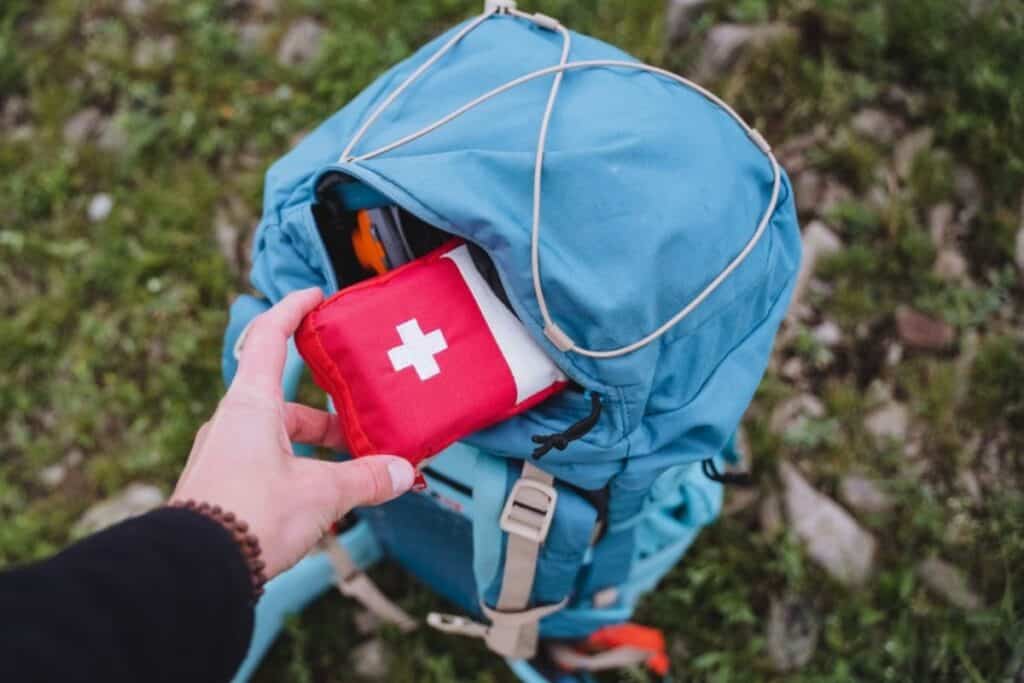
13. Invest In a First-Aid Kit
It is essential to have a well-stocked first-aid kit in case of any injuries while camping. Be prepared for accidents!
Ensure the kit includes bandages, antiseptic wipes, pain relief medication, prescriptions, and other essential items.
14. Have an Itinerary
Having a schedule is one of the essential safety tips because it provides a structure and plan of action for your camping trip.
A plan ensures that you know when you will be setting out and returning, what supplies you will need to bring, and what activities you will be participating in.
It also helps you prepare for hazards and risks such as bad weather, wildlife,
and injuries. A plan helps you stay organized, safe, and, most importantly, enjoy your camping experience.
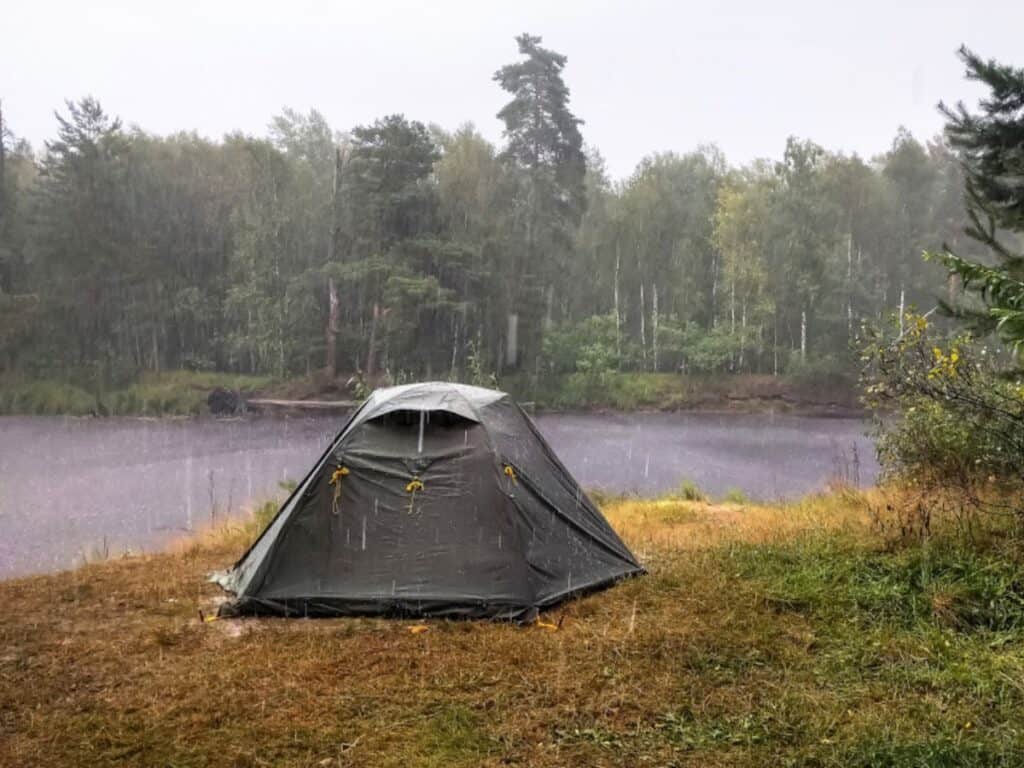
15. Be Aware Of The Weather
Always be aware of the weather conditions while camping. If the weather changes suddenly, ensure you are prepared with the right clothing and gear. Bring a tarp for coverage or ground cloth, if needed.
16. Use Common Sense
It goes without saying that common sense should always be used while camping. Make sure to follow all safety guidelines, stay aware of your surroundings, and listen to any warnings from the campground management or local authorities.
17. Bring A Map or Reliable GPS
Having an updated or current map of the area you are camping in is essential. This can help you identify any unexpected changes in access to your site or seasonal road concerns, as well as help you navigate to different points of interest.

18. Check The Tent
Before setting out on any activities, make sure to check your tent for any signs of damage. This includes checking for any rips or tears and looking for any signs of pests or wildlife.
⛺️ PRO TIP: If using a tent for the first time, set it up at home prior to your adventure to practice, and make sure you have all the parts!
19. Bring Enough Food and Cookware
Planning camping food doesn’t have to be difficult but you have to bring enough! Make sure to bring snacks, easy-to-prepare meals, and ingredients for a few hearty dishes or camping soups that everyone in your group will enjoy.
Be mindful of weight and bulk when packing food so you can save as much space as possible in your pack. Don’t forget to bring enough water and appropriate cookware for your meal preparations!
20. Have Communication and Emergency Plans
If you’re camping in a remote area, it is crucial to have a communication plan in case of an emergency. This could include having a satellite phone or having the plan to meet up in case anyone gets lost or separated.
In addition, before you set out for a camping adventure, tell someone your plans. This could include the location of your campsite, the activities you plan on doing, and when you plan on returning.
21. Know Your Limits
Knowing your limits is vital for camping safety because it ensures you do not overexert yourself. Camping can involve a lot of physical activity, and it’s essential to be aware of what your body is capable of.
Overdoing it can lead to exhaustion, dehydration, heat exhaustion, or muscle strains. Additionally, camping in unfamiliar areas can put you at risk of getting lost.
Knowing your limits means you can plan your camping trips accordingly to stay safe and have a good time.
FAQS: Safety Tips for Camping
Are you planning a camping trip and wondering what safety tips to keep in mind? In this FAQ, we answer all of your questions about camping safety. Get ready to hit the trails with confidence!

What are the most likely hazards while camping?
The most likely hazards while camping includes the following:
✔️ Animal or insect bites
✔️ Exposure to extreme weather conditions
✔️ Injuries from falling while hiking
✔️ Burns from the campfire
✔️ Poisoning from consuming wild plants
Animal and insect bites can transmit diseases and cause allergic reactions. Exposure to extreme weather conditions can cause hypothermia, dehydration, or heat exhaustion. Lastly,
campfires and other open flame sources can cause severe burns or start a wildfire.
…
What are the rules of camping etiquette?

.
✔️ Respect the land! Respect nature and the environment by following Leave No Trace principles, such as leaving no trace, disposing of waste properly, and keeping a clean campsite.
✔️ Be considerate of others: Be aware of your surroundings and respect other campers.
✔️ Keep noise to a minimum, avoid using bright lights and loud music, and be mindful of campfire safety.
✔️ Respect wildlife: Do not feed or approach animals. Keep your food stored and sealed properly to avoid attracting wildlife.
✔️ Follow local regulations: Follow local regulations and abide by park rules and regulations.
✔️ Clean up and leave your site better than you found it.
✔️ Respect the environment: Use biodegradable soaps and detergents, and avoid using any items that could harm the environment.
✔️ Be prepared: Research the area before you go and be prepared for any unexpected weather or conditions so you don’t use local emergency resources. Bring your own first aid kit, extra food and water, and the necessary supplies for your trip.
What are things you should never do when camping?
.
🚫 Don’t let children start a campfire without proper supervision: Starting a campfire without proper adult supervision is dangerous and can lead to injuries. Make sure you have a responsible adult present to supervise the fire, and always follow all safety regulations when using fire.
🚫 Leave food out: Whether it’s food in a campground or food left out at a campsite, leaving food out is a surefire way to attract animals. Keep all food stored in airtight containers, bear containers, or coolers, and dispose of all food waste in designated areas.
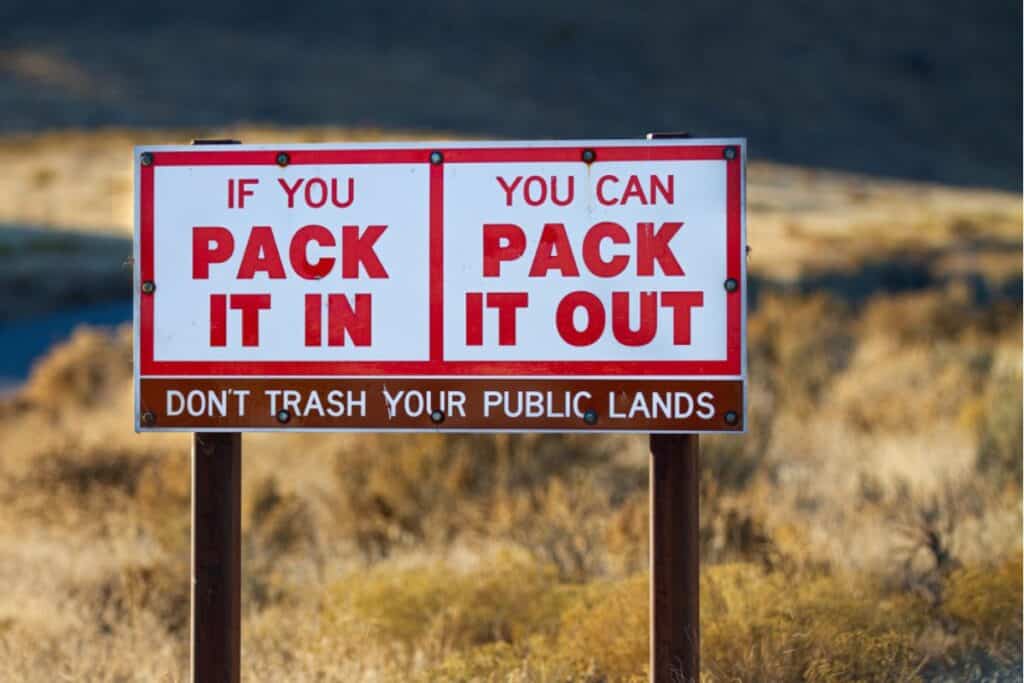
🚫 Leave trash behind: Leaving trash behind is inconsiderate to other campers and can also harm animals. Make sure to pack out all of your trash and take it with you when you leave the campsite.
🚫 Cut down trees or damage vegetation: Cutting down trees or damaging vegetation is illegal in most areas and is harmful to the environment. Respect the site’s natural beauty and leave the trees and vegetation as you find them.
🚫 Dispose of grey or black water without proper facilities: Grey and black water are sewage and must be disposed of properly. Use designated dumping stations or septic tanks for all grey and black water.
Final Thoughts on Safety and Camping
Camping is a perfect way to spend time outdoors with your family and friends. Whether you’re exploring nature trails or watching the stars, camping has something to offer everyone.
You can get closer to wildlife, relax, and even learn new skills. So grab your tent, and some sleeping bags and head outdoors on your next adventure!
Remember the safety protocols and plans discussed in this post so that your camping experience is one you won’t soon forget!
Looking for more outdoor adventure inspiration? Check these out!
