
25 Winter Camping Hacks: Cold Weather Camping Tips
As the mercury dips, it’s the perfect excuse to bundle up and immerse yourself in the serene, snow-covered landscapes. So, if you’re looking for ways to make your winter camping experience a little more comfortable and much safer, you’ve come to the right place!
Colder weather inspires a desire in me to get out and explore in the crisp fresh air. When the temperatures start to drop, camping is such a great way to enjoy the outdoors! It’s during this time that the natural world is at its quietest.
While I have done my fair share of winter camping, it is my husband, Matt, who has skied sections of the Alaska range and survived 12 days in -20 to -45 degree weather pulling a heavy pulk. Naturally, I tapped into his wealth of knowledge for the best winter camping tips!
And, just between us, I had a blast planning and packing his high-calorie meals for that adventure. It was a serious task, but oh-so-rewarding and fun. But hey, that’s a story for another post! Stay tuned.

❄️ Essential Winter Camping Hacks
If you are lucky enough to hit the nail on the head with the right weather for your getaway, the skies will be clear, bright, and uplifting. If you live in the far north, soft snow will muffle the sounds of the world around you.
Winter camping can also be a bit challenging. Being prepared is the key to winter survival. I’ll share winter camping tips for your average snowy winter weather but I am not including info for camping in sub-zero temperatures, which is a whole other experience.
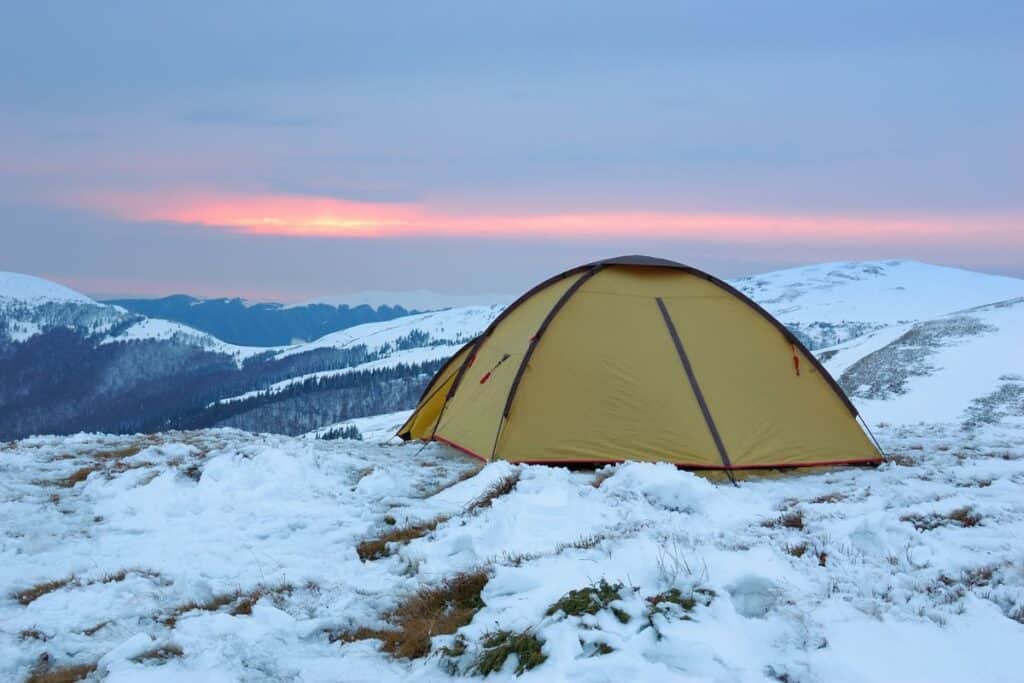
1. Invest in the Right Tent
Not all tents are created equal, and some are better suited for winter camping than others. When choosing a tent for winter camping, make sure to pick one that is going to be a dependable shelter in wind, is waterproof, and holds up under winter weather extremes.
Breathable fabric is very important for cold weather tent camping as this will help to keep you dry and comfortable in wet and cold conditions. Additionally, look for a tent with plenty of ventilation to prevent condensation from building up inside.
All this being said, many 4-season tents are overkill for mild winter conditions. Take this information as you will and buy a tent based on the weather where you live.
Best Budget Winter Tent
The Eureka El Capitan, 2 Person (at only $250) is a heavy yet super reliable option for winter camping! You also have the option to buy a larger size that has a 3 or 4 person-capacity. It’s perfect for a winter getaway weekend!
This tent sets up quickly, includes a fully-waterproof rainfly, and is super spacious, for a winter tent. The thick polyester floor with a 5,000-millimeter waterproof coating will keep you dry!

Best Extreme Weather Winter Tent
The SlingFin HotBox is a very impressive option that should be seriously considered for winter adventurers who cover a lot of miles! This is a 2-person tent for minimalist alpine climbs and ski tours.
In addition to being lightweight (only three pounds and four ounces!) and waterproof, the HotBox is able to handle condensation well, as well as being fully freestanding.
The SlingFin Hotbox has a small footprint so it can be wedged into rocky alpine bivy spots or buried into snow fields.

Best Ultralight Winter Tent
The Black Diamond Mega Light Tent is an ultralight floorless option for any time of year except in super wet conditions. It is dead simple and super reliable.
This is a great pyramid-style snow tent for ski touring! Weighing in at only (2 lb 13 oz) it is the best lightweight shelter for you. My family of four has used this tent endlessly and it is our preferred tent for camping in the snow.
A floorless tent gives you extra space between the sleeping area and the tent walls. Because of the extra space and ventilation, it’s safer and more convenient to cook inside your tent. Also, it is much easier to make your own level site instead of having to find one!

2. Invest in a Quality Sleeping Bag
If you’re going to be spending any amount of time camping in cold weather, it’s super important to invest in a really good winter sleeping bag.
Look for one that is rated for extreme cold weather and has a temperature rating of at least 20 degrees below the expected nighttime temperatures. For example, if you expect it to be 20º F while you sleep, opt for a sleeping bag with a 0º F temperature rating.
Sea to Summit is a brand I go back to over and over again for stellar camping gear. Their Ascent Down Sleeping Bag has multiple options with ratings of 25°F, 15°F & 0°F. These bags will cover most winter camping needs. You will need an arctic-rated bag, such as -5 to -40 for sleeping in anything colder than 15 degrees.
You may also want to seriously consider getting a sleeping bag liner, which can help to keep you even warmer. Liners also help keep your sleeping bag cleaner as you simply wash the liner. I highly recommend sleeping bag liners from Sea to Summit!
The Reactor Extreme Liner, pictured below, adds only 14 oz of weight to your pack and boasts an added 25 degrees to your sleeping bag rating! I even like to use it inside my summer bag for cooler nights like when I am sleeping glacier-side.
For even more added warmth Sea to Summit offers the Reactor Fleece Liner. We have a saying in our house: “Why be warm when you can be hot?” Basically, do yourself a favor and get yourself a liner. It is just not worth being too cold while you sleep.

PRO Tip: Although sleeping bag liners often state they will make your bag a certain number of degrees warmer, there are many elements that affect how warm you’ll be, such as the extra insulation provided by your sleeping pad.
3. Use a Winter Sleeping Pad
Many people overlook the power and necessity of a proper sleeping pad! However, this is a MUST-HAVE for winter camping. A sleeping pad will help to insulate you from the cold ground and will also make your sleeping area more comfortable.
For winter camping you will need a sleeping pad with an R-Value of 3 up to 7. For milder winters an R-value of 3-4 will do. Any colder and you will be so happy to have a more insulating sleeping pad with an R-value of 5+.
As a side sleeper, my preferred sleeping pad is one that is 4″ thick so my hips don’t touch the ground one bit. This creates quite the plush sleeping experience while camping! Read further for the one I use.
I own the Ether Light XT Insulated Air Sleeping Mat and it is incredible. It is leaps and bounds above and beyond my old Thermarest for comfort and warmth, I have to admit. My husband has one as well and is equally smitten.
The Ether light has an R-Value of 3.2 which gets me through anything 15 degrees or above with a winter-rated sleeping bag and proper winter bag liner.
It comes in a women-specific model or a men-specific model and YES this makes a difference because the pad targets specific cold spots based on your shape.
Are you camping in lower more extreme winter temperatures or do you care for more insulation, in general? The Ether Light XT Extreme Insulated Air Sleeping Mat by Sea to Summit has an R-Value of 6.2 (pictured on the right).

4. Don’t Wear Cotton
While cotton is a comfortable fabric to wear in warm weather, it’s not a good choice for winter camping.
Cotton absorbs moisture and can freeze when wet, which will make you cold and uncomfortable. It takes a very long time for cotton to dry. Instead, choose fabrics like wool or synthetic materials that will keep you warm and dry even in the harshest conditions.
5. Get Down Booties
As a newbie to winter camping, when first I met my husband, I chuckled at the gift I received of down booties. How wrong I was!
I recommend the Outdoor Research booties I have because they have a rubber sole and are more durable for walking around in. Cold feet are the worst so take our advice and get some booties!
Your feet will thank you for bringing along a pair of down booties to wear around camp. They provide extra warmth and cushioning for your feet, and they can also be used as hand warmers if they start to get chilly during the night.
In addition, be sure that whatever boots you have for your cold-weather camping trip are either winter hiking boots or warm snow boots!

6. Dress in Layers
When it comes to dressing for winter camping, it’s all about layering. This will allow you to adjust your temperature as needed. Staying very warm without an ounce of chill will make for a much safer and more pleasant experience!
- BASE LAYER: Start with a merino wool base layer from Ibex or thin synthetic fabric next to your skin. Don’t forget your legs!
- MID LAYER: Follow with a mid-layer of wool or fleece. You need mid-layers for your legs too.
- OUTER LAYER: Follow with a very warm Patagonia down puffy for good insulation. Or, if you are winter camping in milder weather, use a Nano Puff Hoody, which is a bit less insulated.
- SHELL: Top it off with a waterproof and windproof outer layer shell for wetter winter weather. Consider sizing up in the shell to make sure it fits over your puffy.
- For your legs, use a pair of your own trusty waterproof snow pants or add in some cozy down pants or fleece joggers to top off your base and mid-layers. Yes, down pants may look poofy and funny but you will be SO glad you brought them along!
Another thing to keep in mind is that it’s important to keep your head and feet warm. Don’t forget to pack extra wool socks, gloves, and hats, as these can come in handy if you get cold during the night.
In harsh winter weather, cover all exposed areas of skin if possible. Also, be sure to pack extra clothing in case you get wet or cold during your trip.

7. Set Up Your Tent in a Sheltered Spot
Location is SUPER important when winter camping!
When you’re choosing a spot to set up your tent, look for one that is sheltered from the wind. A hill or rocky outcropping can provide some protection from the elements.
PRO Tip: Set up your tent so the opening faces away from the wind.
If you can’t find a naturally sheltered spot, you can create your own by building a windbreak out of snow or branches.
8. Use Hand and Foot Warmers
Hand warmers are small packets that contain chemicals that generate heat when they are activated. These are a great backup to have handy if your digits get chilly camping in cold weather despite having decent gloves or mittens.
They are great for keeping your hands warm while you’re setting up camp or cooking meals. You can also use them to warm up your sleeping bag before getting in for the night.

9. Make Sure Your Tent is Well-Ventilated
So, you have your winterproof tent. Let’s remember to use it properly!
When camping in the winter, it’s VERY important to make sure that your tent is well-ventilated to prevent condensation.
The combination of body heat and breathable fabric will create condensation inside your tent, which can lead to wet clothing and gear. To avoid this, open the vents on your tent and prop open the door when possible.
10. Keep Your Electronics Safe
Cold weather camping can bring about damage to electronic devices like phones and cameras due to long exposure to frigid temps.
To protect them, keep them in a waterproof bag or a phone “sleeping bag” and store them inside your sleeping bag during the night to keep them warm.
Boil water and fill up one bottle designated to keep your electronics warm and put it into your sleeping bag. Put any batteries, phone, GPS, and power bank around the bottle.
It’s also a good idea to bring extra batteries and portable chargers as they tend to drain more quickly in the cold.
11. Stay Hydrated
It’s easy to forget about staying hydrated when it’s cold out, but it’s just as important as it is in the summer, if not more. Winter is a low-humidity environment.
While it’s important to stay hydrated, don’t be tempted to eat the snow! This will lower your body temperature.
Keep a water thermos with you at all times and make sure to drink regularly throughout the day. You need a reliable thermos! I have the GSI Outdoors – Microlite Water Bottle and it keeps water hot for an entire day outside in the winter! Warm drinks like hot chocolate or tea can also help to keep you hydrated and warm.

12. Bring a Winter First-Aid Kit and Be Educated
Make sure to pack a well-stocked first aid kit, including items like bandages, pain medication, and emergency blankets. Since clothing layers in your pack may be used to pad a splint, you can bring extra for this potential purpose.
Accidents can happen at any time, but they can be more likely in the winter when you’re dealing with cold weather and slippery conditions. Injuries can become life-threatening quickly in these conditions, especially when you are in a remote location.
It’s extremely important to know how to prevent hypothermia while camping. The risk of hypothermia is especially high for people who are injured. When a person is injured, they may not be able to move around as much as usual, making them more susceptible to cold weather.
It’s also a good idea to bring along a map and compass or GPS device in case you need to find help.

13. Use a Hot Water Bottle
A hot water bottle can be a lifesaver when camping in the winter.
Fill a bottle, such as a Nalgene, with hot water before going to bed and tuck it into your sleeping bag to help keep you warm throughout the night. But check the threads of that bottle first, if it leaks you have a BIG problem.
You can also use a hot water bottle to heat up your hands on cold mornings or to thaw out your boots if they get frozen overnight.

14. Pack Food That Won’t Freeze
When packing food for your winter camping trip, make sure to choose items that won’t freeze solid in harsh temperatures. Dehydrated foods, soft cheese, dried fruit, nuts, jerky, and chocolate are all good options.
What better way to warm up than a filling stew or chili? You can make your own dehydrated backpacking meals or purchase a delicious pre-made option!
One convenient option my family absolutely loves is the dehydrated meals from Good to Go, made right in Maine. They are made from high-quality ingredients, taste great, and the instructions couldn’t be easier.
Our favorites are Kale and White Bean Stew, Thai Curry, and Chicken Pho.
Another company I love as a resource for many different camping food options is Patagonia Provisions. Their delicious dehydrated vegan Organic Tsampa Soup is a favorite and they have fun camp kit options for 2 people as well.
Enjoy this offer from Patagonia Provisions: Free Shipping on Orders of $49 or more at Patagonia Provisions.

15. Plan Hearty Meals and Bring Extra Food
Simply put, eat more calories! Your body burns more calories trying to stay warm in the cold temperatures, so make sure you’re eating enough to fuel yourself during your winter camping trip.
Your body’s caloric needs are much higher in a winter camping environment. Weather, body size, weight, activity level, and so on affect your needs but the average person requires 3600-6000 calories per day!
Don’t forget to pack enough snacks and drinks to keep you fueled throughout your trip! Extra calories, fat, carbohydrates, and protein are all very important for your outdoor adventure.
Don’t go to bed hungry, snack before you hit the sack. This will help keep your body heat up!
If you’re planning on doing any hiking, be sure to bring along an extra day’s worth of food and water just in case.

16. Make Sure Your Gear is Waterproof
This is an important winter camping hack! One of the worst things that can happen while winter camping is having your gear get soaked through by rain or snow. It’s something that you cannot undo in cold damp weather.
To avoid this, make sure that all of your gear is properly waterproofed before heading out on your trip. Have an older tent? Use some waterproofing spray on the parts that need refreshing, including the rain fly.
Waterproofing also includes your sleeping bag, clothing, and shoes. You can buy waterproofing spray or wash at most outdoor stores.

17. Use a Tarp and Create a Covered Area in Front of Your Tent
A tarp can be a helpful addition to your winter camping setup. It can be used to provide additional shelter from the wind or snow, or it can be used as a ground cloth to keep your sleeping area dry.
Create a sheltered area in front of your tent by stringing up a tarp or using a collapsible shelter. This can provide a warm and dry spot for cooking, eating, and hanging out during bad weather.
Otherwise, if it snows a lot while you are camping, there is no sheltered place to hang out outside.
A simple tarp can work if you have the skills to stake and rope it up properly. It can also be used as an extra layer of insulation for your tent to keep it warmer at night.
But putting up tarps takes practice and skills so DON’T try to learn how to do it for the first time while camping!
If you want a bomber tarp that means business go for the best with a Snow Peak Tabiki Tarp Hexa. You can have a campfire beneath this one, cook safely, and be protected from precipitation.
18. Pack Weather-Proof Matches and a Lighter

If you’re planning to do any kind of cooking or heating while camping in the winter, it’s important to have weather-proof matches on hand. I am a big fan of the UCO Titan Stormproof Match Kit.
These matches are treated with a special coating that protects them from cold and moisture, so they’ll still light even in the harshest conditions.
Keep your lighter on a cord around your neck!
Having your lighter on hand and not in a random pocket can make all the difference. Additionally, if you find yourself lost or in danger, having a lighter can be a life-saving tool.

19. Practice Starting a Fire and Bring a Fire-Starting Kit
Don’t take any chances – practice starting a fire before your winter camping trip so you can expertly handle any situation that may arise. Wind, a cold drizzle, or snow can disrupt your ability to start a fire.
Starting a fire can be challenging in the winter, so make sure you have all the tools you need. Besides the obvious matches and a lighter, include fire starters like dryer lint, birch bark or some even like to use cotton balls soaked in petroleum jelly.
It’s also important to bring along extra firewood and kindling just in case they’re not readily available at your campsite. And always make sure to follow safe fire practices and extinguish your fire before leaving the campsite.
Gather dry tinder, such as dead leaves or pine needles, before it starts to rain or snow!
Always remember to use fire safety precautions while camping.

20. Don’t Use Metal Utensils
When cooking or eating in cold weather, avoid using metal utensils. Metal can get very cold. Instead, use wooden or BPA-Free Polypropylene utensils that will stay warm longer and won’t cause discomfort.
21. Don’t Drink Fluid Right Before Bedtime
It can be tempting to have a hot drink before bed to warm up but try to avoid drinking a lot of fluids right before going to sleep. I like to make sure I leave an hour between that hot beverage and bedtime.
This will reduce the chance that you’ll have to get out of your warm sleeping bag in the middle of the night for bathroom breaks.

22. Preheat Your Sleeping Area
Before going to bed, preheat your sleeping area by using a camp stove or candle lanterns. This is one of my favorite winter camping hacks!
This will help to take the chill off of the air, making it much cozier, which then makes it easier to sleep through the night. Always make sure to properly extinguish any open flames before going to bed.
23. Pack a Snow Shovel

When camping in winter, packing a snow shovel can be a real lifesaver. A snow shovel can help you dig out your campsite if it becomes covered in snow. This is essential for staying safe and warm while camping in winter.
You can build a shelter out of snow using your snow shovel, which can provide extra warmth and protection from the elements. It can also be used for other tasks such as clearing a path to your campsite or digging trenches for drainage.
The SnowClaw Backcountry Snow Shovel is a very popular option for both backpackers and car campers for softer snow. It only weighs a quarter of a pound and while quite flexible it can be flexed into a very rigid U-shape.

24. When Camping in the Snow, Pack it Down
One way to make camping in the snow a little bit easier is to pack the snow down before setting up your tent. You can also bring a small snow shovel and create a dug-out area for your tent.
This will create a flat surface for you to sleep on, and it will also help to insulate your sleeping area from the cold ground. You can also just use your boots, or even your hands to pack the snow down.
If you dig a small rectangular hole (to make a “bench”) at the front entrance of your tent, under the canopy, it will be easier to put on your boots and make morning coffee without having to leave your shelter.
Or, if you want to be bold with your lightweight floorless pyramid tent, dig out the snow and sleep right on it! You may find it quite comfortable and warmer than sleeping in a tent on top of the snow.
Dig a footwell (seen in the above photo) for sitting while cooking (use the snow for the internal wall), and hang your light on the pole. One bonus you may not have thought of is that you pee into the bottom corner of the footwell in the middle of the night if you need to.
The trench acts as an insulator and you can something under the pole to keep it from sinking, such as a 3 or 4-inch piece of plywood disc (brought from home) or bark after stomping on the snow to firm it up.

25. Have a Plan for Emergencies
When you’re winter camping, it’s important to have a plan in place for emergencies. Make sure someone at home has all of your trip details, including where you’ll be camping and when you’re expected to return.
*️⃣ FAQS: Winter Camping Hacks
Here are some cold-weather camping tips and answers to common questions to help you make the most of your winter camping trip.
What should I pack for my winter camping trip?
The most important thing to pack for winter camping is warm clothes for layering. You’ll also want to pack a hat, gloves, and a coat. You’ll also need a backpack, a 3 or 4-season tent, a winter-rating sleeping bag, and a camp stove.
What should I do if I get lost in the wilderness in winter?
Before you leave on your camping trip, have an emergency plan in place with a reliable individual who can contact authorities if you are gone longer than expected. If you get lost in the wilderness in winter, stay put. Try to build a shelter and stay warm.
Signal for help using an emergency whistle or signal mirror. Don’t try to search for help unless it is absolutely necessary because you may get even more lost.

How do I keep my water from freezing while winter camping?
One way to prevent your water from freezing is by storing it in an insulated container or thermos. Another option is to bring along a camp stove and heat up water for drinking or cooking. You can also place your water bottle close to your body, such as inside your jacket or sleeping bag, to keep it from freezing.
How can I prevent hypothermia while winter camping?
The best way to prevent hypothermia is by staying dry and keeping warm. Make sure to wear waterproof clothing, and bring extra layers in case your clothes become wet. It’s also important to stay hydrated and well-fed, as these can help regulate your body temperature.
Avoid consuming alcohol, as it can lower your body heat. Lastly, always have a plan for emergency situations and know how to treat hypothermia if it does occur.

How cold is too cold to camp in a tent?
This really depends on the person and their experience in both winter weather and camping. Some people can handle colder weather better than others. I would say that anything below freezing is too cold for most inexperienced people to camp in a tent.
While it may not be the norm there are plenty of adventures who can withstand camping in temperatures well below zero with the proper gear (-40 degree sleeping bag, high R-value sleeping pad) and arctic-rating clothing.
Overall, it’s important to be prepared and use our winter camping tips and common sense when deciding whether or not to camp in cold weather. Listen to your body and don’t push yourself too far if you start feeling uncomfortable.

🏕 Final Thoughts on Cold Weather Camping
Winter camping can be a fun and rewarding experience, but it’s important to follow some basic tips to stay safe and comfortable. By following the winter camping hacks we’ve provided in this article, you’ll be able to make the most of your winter camping trip without any hassles.
Make sure to pack the proper gear outlined in this post, plan for any potential emergencies, and follow all safety guidelines for any activities you may be participating in. With the right preparation, you can have a memorable and successful winter camping trip!
Stay warm and happy camping!
Read More…
- How to Dehydrated Garlic and DIY Garlic Powder
- Campfire Sloppy Joes
- Easy Campfire Stick Bread
- Winter Camping with Dogs
- Make Ahead Desserts for Camping
- Dutch Oven Bread Pudding
- Best Camping Soup Recipes
- Best Korean Recipes for Camping
- Best Canned Foods for Camping
- Easy Camping Meals for Outdoor Adventures

Thanks for sharing these good tips. I’ve done a fair amount of winter camping but never camped on snow — and your fondness for floorless tents in the snow makes me curious… i don’t understand how, but i’m guessing that the warmth from you & your bag don’t make the snow wet?? any xtra thoughts on that you’d care to share?
Hi! You’re welcome and I hope you get out for some excellent winter camping this season. To answer your question: you use a sleeping pad between your sleeping bag and the snow so your bag will not get wet nor will your body warm the snow to melt it. Here’s a great video I came across recently using the same tent my husband and I have. It’s the best snow camping tent! https://www.youtube.com/watch?v=cYiRLJmtPJs